
Science behind psilocybin: effects and benefits Canada
Psilocybin is more than a hallucinogen. Recent neuroscience reveals it activates specific serotonin receptors that trigger neuroplasticity, offering rapid relief for depression, PTSD, and chronic pain. Canadian clinical trials now demonstrate sustained mental health improvements with just one or two therapeutic doses. This guide explains the brain mechanisms, clinical evidence, safety protocols, and legal access pathways in Canada. You’ll learn how psilocybin works, what conditions it treats, potential risks, and how to explore it responsibly in 2026.
Table of Contents
- How Psilocybin Works In The Brain
- Clinical Evidence Of Psilocybin’s Therapeutic Effects
- Safety, Side Effects, And Expert Nuances
- Accessing Psilocybin In Canada: Legal And Clinical Perspectives
- Discover Safe Psilocybin Products And Guidance With 3 Amigos
Key takeaways
| Point | Details |
|---|---|
| Psilocybin acts through serotonin 5-HT2A receptors | This activation promotes neuroplasticity, neurogenesis, and neuroprotection in key brain regions. |
| Therapeutic doses provide rapid, sustained relief | Clinical trials show 50-80% response rates in depression, PTSD, and bipolar disorder with 1-2 doses plus therapy. |
| Canadian trials expand legal access pathways | Ongoing studies in Toronto and Victoria offer ethical, supervised psilocybin therapy for various conditions. |
| Common side effects are transient | Headache, nausea, and anxiety occur but resolve quickly; serious risks affect mainly vulnerable individuals. |
| Screening and clinical oversight ensure safety | Therapeutic settings with medical supervision minimize risks compared to recreational use. |
How psilocybin works in the brain
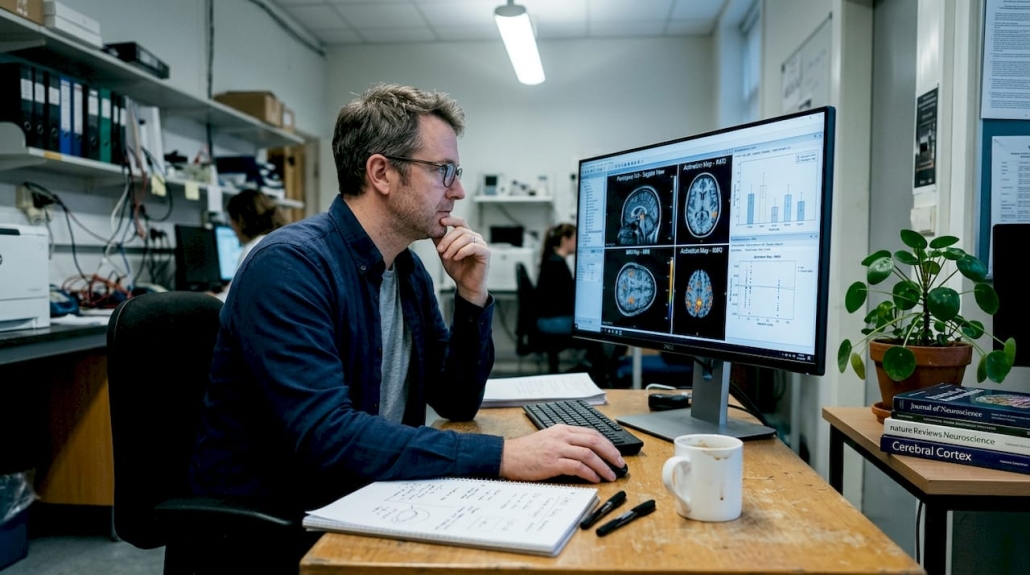
Once you ingest psilocybin, your body rapidly converts it to psilocin, the active compound responsible for its effects. Psilocin primarily activates serotonin 5-HT2A receptors on pyramidal neurons throughout your brain. This receptor activation is not random. It targets specific networks that regulate mood, cognition, and emotional processing.
The 5-HT2A receptor sits on excitatory neurons in your prefrontal cortex, amygdala, and hippocampus. When psilocin binds to these receptors, it increases neural activity and connectivity across brain regions that normally operate in isolation. This enhanced communication creates the subjective experience of altered perception and introspection. More importantly, it triggers biological processes that extend far beyond the acute trip.
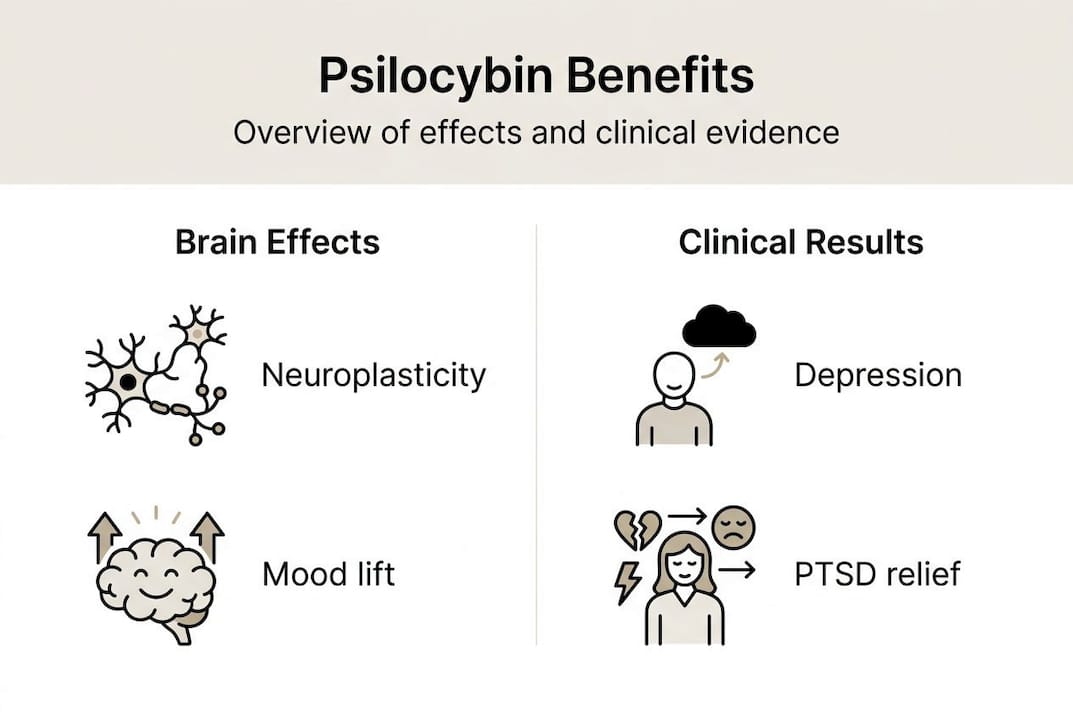
Psilocin promotes neuroplasticity, the brain’s ability to form new neural connections and reorganize existing ones. It also stimulates neurogenesis, the birth of new neurons, particularly in the hippocampus. Research shows it provides neuroprotection by reducing inflammation and oxidative stress in brain tissue. These three mechanisms work together to reverse the neural damage caused by chronic stress, depression, and trauma.
Key brain regions affected include:
- Prefrontal cortex: Regulates executive function, decision making, and emotional regulation
- Amygdala: Processes fear, anxiety, and emotional memory
- Hippocampus: Controls memory formation and stress response
- Default mode network: Manages self-referential thinking and rumination
The prefrontal cortex and amygdala show reduced activity during psilocybin sessions, which explains the temporary dissolution of rigid thought patterns and fear responses. Meanwhile, connectivity between distant brain regions increases dramatically. This creates new pathways for information processing that persist long after the compound leaves your system.
Animal studies demonstrate that psilocybin reverses hippocampal atrophy caused by chronic stress. Human imaging studies confirm similar structural changes, with increased dendritic density and synaptic connections visible weeks after a single dose. These physical changes in brain structure correlate directly with improvements in mood and cognitive flexibility.
Pro Tip: Understanding these mechanisms helps explain why psilocybin may produce lasting mental health changes rather than temporary symptom relief like conventional antidepressants.
The neuroplasticity window opened by psilocybin creates an opportunity for therapeutic intervention. When combined with psychotherapy, this heightened state of neural flexibility allows you to reprocess traumatic memories, challenge negative thought patterns, and establish healthier cognitive habits. The brain becomes temporarily more receptive to change, making psychological work more effective.
These insights into psilocybin mental health benefits have transformed how researchers view psychedelic compounds. Rather than mere intoxicants, they represent powerful tools for neurological healing and psychological growth.
Clinical evidence of psilocybin’s therapeutic effects
Clinical trials consistently demonstrate that psilocybin produces rapid symptom relief in multiple mental health conditions. Most protocols use one or two doses of 25mg psilocybin combined with psychotherapy sessions before, during, and after administration. This integration model amplifies therapeutic outcomes significantly.
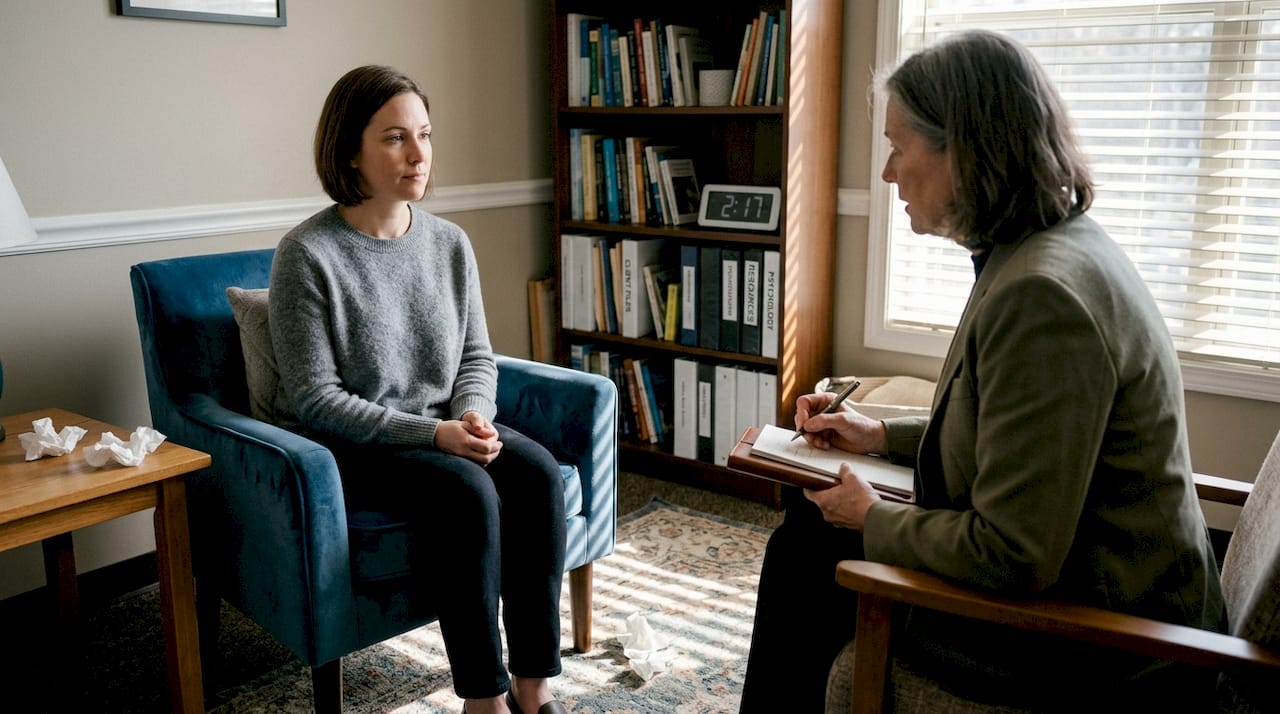
Treatment-resistant depression shows particularly strong response rates. Studies report 50-80% of participants experience significant symptom reduction within one week of a single session. More remarkably, these improvements persist for months or even years without additional dosing. Traditional antidepressants require daily use and often lose effectiveness over time, making psilocybin’s sustained benefits especially noteworthy.
PTSD trials reveal similar patterns. Veterans and trauma survivors show rapid reductions in intrusive memories, hypervigilance, and avoidance behaviors. The neuroplasticity induced by psilocybin allows participants to revisit traumatic experiences with reduced emotional reactivity, facilitating psychological integration. Follow-up assessments at 6 and 12 months confirm lasting improvements in most cases.
Bipolar depression presents unique challenges because mood stabilization is critical. Recent trials demonstrate that psilocybin can safely reduce depressive symptoms in bipolar patients without triggering manic episodes when administered under medical supervision. This finding opens new treatment avenues for a condition with limited effective options.
End-of-life distress in cancer patients represents another validated application. Psilocybin sessions produce profound reductions in death anxiety, depression, and existential suffering. Participants report increased acceptance, spiritual connection, and quality of life improvements that persist until death.
| Condition | Response Rate | Duration of Effect | Typical Protocol |
| — | — | — |
| Treatment-Resistant Depression | 50-80% | 6-12 months | 1-2 doses of 25mg plus therapy |
| PTSD | 60-75% | 6-12 months | 2 doses of 25mg plus integration |
| Bipolar Depression | 55-70% | 3-6 months | 1 dose of 25mg with mood monitoring |
| End-of-Life Distress | 70-85% | Until death | 1-2 doses of 20-30mg plus counseling |
The mechanism behind these sustained effects involves neuroplastic changes that alleviate chronic stress damage. Brain scans show increased connectivity and reduced inflammation weeks after treatment. Animal models confirm that psilocybin reverses hippocampal atrophy, a hallmark of chronic depression and trauma.
Canadian researchers actively contribute to this evidence base. Ongoing trials in Toronto and Victoria study psilocybin-assisted therapy for PTSD, treatment-resistant depression, bipolar depression, and wellness applications. These studies follow rigorous safety protocols and collect long-term outcome data to inform future regulatory decisions.
Key findings from Canadian research include:
- High participant satisfaction and willingness to repeat treatment
- Low rates of adverse events when proper screening occurs
- Cultural adaptations needed for diverse populations
- Integration therapy significantly enhances outcomes
Pro Tip: Combining therapy with psilocybin amplifies therapeutic potential because the neuroplasticity window creates optimal conditions for psychological change.
The rapid onset and sustained duration of effects distinguish psilocybin from conventional treatments. SSRIs require weeks to show benefits and must be taken daily. Psilocybin produces measurable improvements within days and maintains efficacy for months after a single dose. This efficiency reduces treatment burden and improves compliance.
Research continues to explore optimal dosing, session frequency, and integration protocols. Some conditions may benefit from repeated sessions spaced months apart, while others respond to single interventions. Personalized medicine approaches that match protocols to individual needs represent the next frontier in psilocybin clinical benefits research. Understanding psilocybin depression remission pathways helps clarify these personalized approaches.
Safety, side effects, and expert nuances
Psilocybin carries a favorable safety profile when used in controlled settings, but you need to understand both common and rare risks. Typical side effects include headache, nausea, transient blood pressure elevation, and temporary anxiety or panic. These effects usually resolve within hours as the compound clears your system.
Nausea occurs in about 30-40% of participants and typically peaks during the first hour after ingestion. Anti-nausea medication can mitigate this without interfering with therapeutic effects. Headaches affect roughly 20% of users and respond well to standard pain relievers. Blood pressure increases are mild and clinically insignificant in healthy individuals.
Psychological side effects present more complexity. Anxiety and panic can emerge during the experience, especially at higher doses or in unsupportive environments. This is why therapeutic protocols emphasize set and setting. Trained facilitators help you navigate difficult emotions and prevent panic from escalating. The anxiety usually transforms into insight when properly supported.
Serious adverse events remain rare but concentrate in specific populations:
- Individuals with personal or family history of psychosis
- People with severe cardiovascular conditions
- Those taking certain medications, particularly SSRIs
- Users in uncontrolled or hostile environments
Psychotic reactions occur in less than 1% of clinical trial participants after careful screening. However, recreational use without screening carries higher risk. If you have schizophrenia, bipolar disorder with psychotic features, or close relatives with these conditions, psilocybin may trigger lasting psychological problems.
Cardiovascular risks increase with pre-existing heart conditions. Psilocybin raises heart rate and blood pressure temporarily, which healthy individuals tolerate easily. If you have uncontrolled hypertension, recent heart attack, or arrhythmias, medical supervision becomes critical.
SSRI interactions deserve special attention. Many people seeking psilocybin therapy currently take antidepressants. SSRIs blunt psilocybin’s effects by occupying the same serotonin receptors, reducing therapeutic intensity. Experts recommend tapering SSRIs before psilocybin sessions, but this requires medical guidance to avoid withdrawal symptoms.
“Larger trials are needed to confirm safety and efficacy across diverse populations. Screening protocols must identify vulnerable individuals, and therapeutic use should be prioritized over recreational contexts where risks multiply.”
| Context | Common Side Effects | Serious Risk Factors | Risk Mitigation |
| — | — | — |
| Therapeutic Setting | Nausea, headache, mild anxiety | Minimal with proper screening | Medical supervision, integration therapy |
| Recreational Use | Same plus panic, confusion | Higher due to lack of screening | Impossible to fully mitigate without oversight |
The difference between therapeutic and recreational contexts cannot be overstated. Clinical settings provide medical screening, dose control, psychological support, and emergency intervention if needed. Recreational use lacks these safeguards, exponentially increasing risk of adverse outcomes.
Pro Tip: Prioritize legal clinical pathways for safety and efficacy rather than underground sources where dose accuracy, purity, and support are uncertain.
Dosing precision matters significantly. Therapeutic protocols use carefully measured doses tailored to body weight and treatment goals. Recreational mushrooms contain variable psilocybin concentrations, making consistent dosing nearly impossible. Overdosing increases anxiety, confusion, and physical discomfort without enhancing therapeutic benefit.
Expert consensus emphasizes that psilocybin is a tool, not a cure. Its effectiveness depends on proper preparation, supportive context, and integration work afterward. The experience itself catalyzes change, but lasting transformation requires ongoing psychological effort. This is why psilocybin safety protocols stress comprehensive care models.
Canadian researchers prioritize safety through rigorous screening, medical monitoring, and trained facilitators. These protocols establish benchmarks for responsible use that balance access with risk management. Following safe psilocybin usage tips ensures you maximize benefits while minimizing potential harms.
Accessing psilocybin in Canada: legal and clinical perspectives
Psilocybin remains a Schedule III controlled substance in Canada, making possession and distribution illegal outside authorized contexts. However, legal pathways for therapeutic access continue to expand through clinical trials and medical exemptions. Understanding these options helps you navigate the evolving landscape responsibly.
Health Canada grants exemptions under Section 56 of the Controlled Drugs and Substances Act for specific medical and research purposes. These exemptions allow qualified patients to receive psilocybin therapy legally when conventional treatments have failed. The application process requires physician support, documented treatment resistance, and justification for psilocybin’s unique benefits.
Clinical trials represent the most accessible legal route for most Canadians. Active studies in Toronto, Victoria, and other cities recruit participants for psilocybin-assisted therapy targeting depression, PTSD, bipolar disorder, addiction, and wellness applications. These trials provide supervised treatment at no cost while contributing to the evidence base informing future regulations.
Notable Canadian trials include:
- PTSD treatment for veterans and first responders
- Treatment-resistant depression protocols with psychotherapy integration
- Bipolar depression studies with mood stabilization monitoring
- End-of-life anxiety reduction for terminal illness patients
- Wellness and personal development programs for healthy individuals
Participation requires meeting specific eligibility criteria. Most trials screen for psychiatric history, current medications, medical conditions, and treatment goals. If you qualify, you receive comprehensive care including preparation sessions, supervised dosing, and integration therapy afterward.
Benchmarks from Canadian trials show 50-80% response rates with sustained relief lasting months. These outcomes match international findings and support expanded access arguments. Researchers emphasize that success depends on proper screening, dose control, therapeutic support, and integration work.
To safely participate in legal psilocybin therapy in Canada:
- Research active clinical trials at university medical centers and authorized clinics
- Consult your physician about eligibility and obtain necessary referrals
- Complete thorough screening to identify any contraindications
- Commit to preparation sessions and integration therapy as part of the protocol
- Avoid underground sources that lack quality control and legal protection
Underground markets pose significant risks beyond legal consequences. Product purity, dose accuracy, and safety cannot be verified. Contamination with other substances occurs regularly. Without medical screening, you may have unrecognized contraindications that increase adverse event risk. The lack of therapeutic support reduces efficacy and leaves you vulnerable during difficult experiences.
Psilocybin legality in Canada continues evolving as evidence accumulates. Advocacy organizations push for expanded access while regulators balance safety with therapeutic potential. The trajectory suggests increasing availability through medical channels over the next few years.
Meanwhile, education about proper use remains critical. Understanding the science, clinical evidence, and safety protocols empowers informed decisions. Following legal psilocybin intake processes ensures you access this powerful tool responsibly and safely.
The goal is not recreational intoxication but therapeutic transformation. Approaching psilocybin with respect, preparation, and professional guidance maximizes benefits while minimizing risks. This aligns with the broader movement toward safe psychedelic experiences that honor both the substance’s power and your wellbeing.
Discover safe psilocybin products and guidance with 3 Amigos
Now that you understand the science and therapeutic potential, you can explore psilocybin responsibly with trusted resources. 3 Amigos offers Canadians access to quality microdosing mushroom capsules designed for mental health support and personal development. Each product meets rigorous quality standards with precise dosing information.
Our educational resources explain psilocybin science and mental health benefits in detail, helping you make informed decisions aligned with current research. Whether you’re exploring microdosing for mood enhancement or learning about therapeutic dried mushroom uses, we provide the knowledge and products to support your journey safely.
Frequently asked questions
What are the scientific mechanisms behind psilocybin’s effects?
Psilocybin converts to psilocin in your body, which then activates serotonin 5-HT2A receptors on neurons in your prefrontal cortex, amygdala, and hippocampus. This receptor activation triggers neuroplasticity, neurogenesis, and neuroprotection that persist long after the acute effects fade. These biological changes explain why single doses can produce lasting mental health improvements. Learn more about psilocybin science explained in our comprehensive guide.
Is psilocybin therapy legal and accessible in Canada?
Psilocybin remains illegal for general use, but medical exemptions and clinical trials provide legal access pathways. Active studies in Toronto, Victoria, and other cities offer supervised psilocybin-assisted therapy for depression, PTSD, bipolar disorder, and other conditions. Section 56 exemptions allow qualified patients to receive treatment when conventional options fail. Check current psilocybin legality in Canada for the latest regulatory updates.
What are the potential risks and side effects of psilocybin?
Common side effects include headaches, nausea, and transient anxiety that resolve within hours. Serious risks occur mainly in individuals with psychosis risk, severe cardiovascular conditions, or those using psilocybin in unsafe environments without screening. Therapeutic settings with medical supervision minimize these risks dramatically compared to recreational use. Following established psilocybin safety protocols ensures you maximize benefits while protecting your wellbeing.
Recommended
- Why use psilocybin: benefits, science & safe access
- Psilocybin science explained: unlock mental health benefits
- Psilocybin mental health benefits Canada guide 2026
- Magic mushroom benefits for mental health in Canada 2026

Thomas Wrona is a writer, designer, and wellness coach who believes that nature’s wisdom provides an antidote to the stress of modern life. As a former pro athlete, he’s all about staying in motion! When he’s not writing you’ll probably find Thomas outside.