

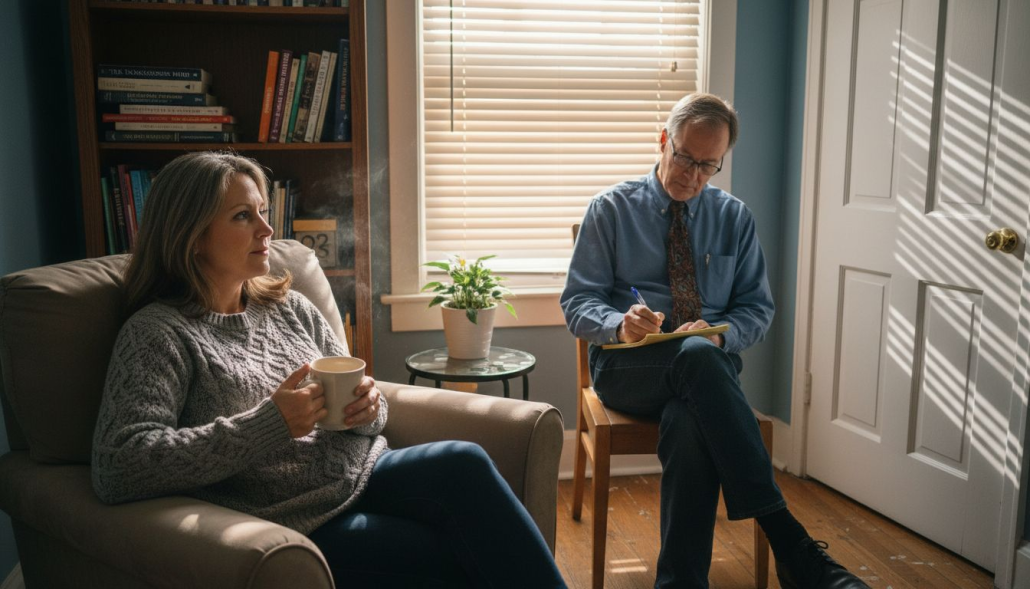
Magic mushroom benefits for mental health in Canada 2026
Over 80% of cancer patients in clinical trials experienced substantial anxiety and depression reduction lasting six months after just one guided psilocybin session. If you’re exploring magic mushrooms for mental health, personal growth, or wellness, understanding their science, safety protocols, and legal context in Canada is essential for informed decisions.
Table of Contents
- Understanding Magic Mushrooms And Psilocybin
- Neurobiological Mechanisms Underlying Mental Health Benefits
- Therapeutic Applications And Clinical Evidence
- Microdosing Benefits And Practical Considerations
- Personal Growth And Wellness Applications
- Safety And Harm Reduction Practices
- Legal And Cultural Context In Canada
- Common Misconceptions And Myths
- Explore Trusted Magic Mushroom Products From 3 Amigos
- Frequently Asked Questions
Key takeaways
| Point | Details |
|---|---|
| Brain network reset | Psilocybin disrupts rigid negative thought patterns by enhancing neuroplasticity and serotonin receptor activity. |
| Clinical validation | Guided therapy shows 60-70% remission rates for treatment-resistant depression with sustained benefits. |
| Microdosing wellness | Low doses (0.1-0.3 grams) improve mood and creativity with minimal side effects when used responsibly. |
| Safety essentials | Controlled settings, trustworthy sources, and mental preparation minimize risks for healthy individuals. |
| Canadian legal status | Recreational use remains illegal, but medical exemptions exist through Health Canada for therapeutic access. |
Understanding magic mushrooms and psilocybin
Magic mushrooms refer to over 180 species of fungi containing the psychoactive compound psilocybin. Common varieties include Psilocybe cubensis, Psilocybe semilanceata, and Psilocybe cyanescens, each varying in potency and growth environments. When ingested, your body metabolizes psilocybin into psilocin, which crosses the blood-brain barrier to produce psychoactive effects.
Typical experiences include altered perception, enhanced emotional awareness, and visual distortions. Effects begin 20-40 minutes after consumption, peak around 90 minutes, and last 4-6 hours depending on dosage. Subjective reports describe feelings of connectedness, introspection, and sometimes challenging emotional content that can catalyze therapeutic breakthroughs.
The distinction between microdosing and macrodosing matters significantly:
- Microdosing: Sub-perceptual doses of 0.1-0.3 grams taken every few days for subtle mood and cognitive benefits without hallucinations
- Macrodosing: Full psychedelic doses of 1-5 grams producing intense perceptual changes, often in therapeutic or ceremonial contexts
- Threshold effects: Microdoses remain below conscious awareness while macrodoses create profound alterations in consciousness
Understanding these fundamentals helps you navigate options and set realistic expectations for your experience.
Neurobiological mechanisms underlying mental health benefits
Psilocybin’s therapeutic power stems from its action on brain chemistry. The compound primarily activates serotonin 2A receptors, disrupting the rigid neural networks characteristic of depression and anxiety. This receptor activation temporarily dissolves entrenched thought patterns, allowing new cognitive pathways to form.
Research shows psilocybin enhances neuroplasticity, the brain’s ability to reorganize connections. This biological flexibility supports the formation of healthier mental patterns:
- Dendritic growth: Psilocybin stimulates new neural branch formation, expanding communication networks between brain regions
- Default mode network disruption: The brain’s self-referential thinking hub quiets, reducing rumination and negative self-talk
- Amygdala regulation: Emotional processing centers show reduced hyperactivity, lowering anxiety responses
- Increased connectivity: Normally isolated brain regions communicate more freely, fostering creative problem-solving and perspective shifts
“The therapeutic value lies not in the hallucinations themselves, but in psilocybin’s ability to reset maladaptive brain circuits that trap people in cycles of negative thinking.”
Pro Tip: Understanding that psilocybin creates a window of neuroplasticity helps you approach sessions with intention, using the enhanced brain flexibility to actively reshape thought patterns through integration work afterward.
The psilocybin science behind mental health improvements continues to reveal how these biological mechanisms translate to measurable clinical outcomes. Researchers studying psilocybin’s broader research impact confirm these neurobiological changes correlate strongly with sustained symptom relief.
Therapeutic applications and clinical evidence
Clinical trials validate psilocybin’s effectiveness across multiple mental health conditions. Johns Hopkins and Imperial College London studies demonstrate 60-70% remission rates for depression in patients who failed conventional treatments. These outcomes surpass typical antidepressant response rates significantly.
Psilocybin-assisted therapy follows structured protocols:
- Preparation sessions: Therapists establish trust, discuss intentions, and educate participants about what to expect
- Dosing sessions: Participants receive psilocybin in controlled settings with trained guides present throughout the 6-hour experience
- Integration therapy: Follow-up sessions help process insights and translate experiences into lasting behavioral changes
- Long-term monitoring: Researchers track symptom improvements over months to assess durability of benefits
The most compelling evidence shows sustained improvements. Follow-up assessments reveal benefits persisting 6-12 months after single sessions, suggesting psilocybin catalyzes lasting neurobiological changes rather than temporary symptom suppression.

| Condition | Efficacy Rate | Duration of Benefits | Key Study Findings |
|---|---|---|---|
| Treatment-Resistant Depression | 67% remission | 6-12 months | Single dose equals months of traditional therapy |
| Cancer-Related Anxiety | 80% reduction | 6+ months | Profound existential insights reduce death anxiety |
| PTSD Symptoms | 55% improvement | 3-6 months | Trauma reprocessing accelerated in guided sessions |
| End-of-Life Distress | 75% improvement | Through end of life | Enhanced acceptance and reduced fear of death |
Exploring therapeutic applications of dried mushrooms provides deeper context for these clinical outcomes and practical considerations for implementation.
Microdosing benefits and practical considerations
Microdosing offers a different path to wellness without intense psychedelic experiences. This practice involves taking sub-perceptual doses every few days, typically following the Fadiman protocol (one day on, two days off) or Stamets stack (four days on, three days off).
Observational research indicates microdosing improves creativity and mood in users who report enhanced focus, emotional stability, and reduced anxiety. While placebo-controlled studies show mixed results, many users describe consistent benefits:
- Mood enhancement: Subtle elevation in baseline emotional state without euphoria
- Cognitive flexibility: Improved problem-solving and novel thinking approaches
- Reduced anxiety: Lower social anxiety and general worry levels
- Energy and motivation: Increased drive to pursue goals and engage with activities
- Emotional regulation: Better ability to process difficult emotions without overwhelm
| Aspect | Microdosing | Macrodosing |
|---|---|---|
| Dose Range | 0.1-0.3 grams | 1-5 grams |
| Perceptual Changes | None to minimal | Intense visual and cognitive alterations |
| Frequency | Every 2-3 days | Monthly to quarterly |
| Setting Requirements | Normal daily life | Controlled, safe environment essential |
| Side Effects | Rare, mild if present | Nausea, anxiety possible during experience |
| Therapeutic Goal | Consistent wellness optimization | Deep emotional breakthroughs |
Pro Tip: Begin with 0.1 grams and maintain a detailed journal tracking mood, productivity, and any side effects. Adjust dosage incrementally only after observing patterns over 2-3 weeks to find your optimal range.
Understanding microdose versus macrodose differences helps you choose the approach matching your wellness goals. Following a comprehensive wellness checklist ensures you make informed decisions about dosing protocols.
Personal growth and wellness applications
Beyond treating clinical conditions, psilocybin facilitates profound personal development. Participants in guided sessions frequently report transformative personal insights that shift fundamental perspectives on relationships, purpose, and self-understanding.
These experiences often produce measurable life satisfaction improvements. Studies tracking participants find 30-40% lasting increases in well-being scores, personality openness, and life meaning. The emotional breakthroughs during sessions create opportunities to process unresolved trauma, recognize limiting beliefs, and envision new possibilities.
Integration practices help translate insights into sustained growth:
- Journaling: Capturing experiences immediately after sessions preserves details that inform ongoing reflection
- Therapy support: Working with integration therapists helps process difficult emotions and implement changes
- Meditation practice: Regular mindfulness maintains the expanded awareness cultivated during psilocybin experiences
- Community connection: Sharing experiences with trusted others normalizes challenges and celebrates breakthroughs
- Behavioral experiments: Testing new ways of being based on insights reinforces lasting change
Personal growth manifests across multiple dimensions. Users describe enhanced creativity in artistic and professional pursuits, deeper empathy in relationships, and improved emotional resilience when facing challenges. The self-awareness gained often catalyzes career changes, relationship improvements, or pursuit of long-delayed passions.
Maintaining benefits requires active engagement with insights rather than passive reliance on the substance. Those who integrate experiences through ongoing practice, therapy, or lifestyle changes report the most enduring transformations.
Safety and harm reduction practices
Responsible use minimizes risks and maximizes positive outcomes. While psilocybin shows excellent physiological safety with no known lethal dose, psychological risks exist without proper precautions.

Common adverse effects include anxiety, confusion, or challenging emotional content during experiences. These occur in roughly 10-15% of sessions but rarely cause lasting harm when proper support is present. Nausea affects about 30% of users during onset but typically resolves as effects peak.
Set and setting profoundly influence experience quality:
- Mental preparation: Clarify intentions, address expectations, and ensure emotional stability before sessions
- Physical environment: Choose comfortable, safe spaces free from interruptions or external stressors
- Trusted companions: Have experienced guides or sober trip-sitters present for support and safety
- Timing considerations: Avoid use when facing major life stressors or during unstable mental health periods
- Dosage accuracy: Start low, especially with new batches, as potency varies significantly between mushroom types
Harm reduction protocols emphasize informed decision-making:
- Screen for contraindications: Avoid use with schizophrenia, bipolar disorder, or family history of psychosis
- Source verification: Obtain mushrooms from trustworthy suppliers who test for contaminants and verify species
- Medical consultation: Discuss use with healthcare providers, especially if taking psychiatric medications
- Emergency planning: Know when to seek help and have crisis resources available
- Integration support: Schedule follow-up conversations or therapy to process experiences
Following a safe consumption workflow tailored to Canadian contexts ensures you maximize benefits while protecting mental and physical health.
Legal and cultural context in Canada
Psilocybin remains a controlled substance under the Controlled Drugs and Substances Act, making recreational possession and distribution illegal. Penalties include fines up to $1,000 and imprisonment for cultivation or trafficking. However, Canada’s regulatory landscape is evolving rapidly.
Health Canada grants exemptions for specific circumstances:
- Section 56 exemptions: Allow individual patients with serious conditions to access psilocybin therapy legally
- Clinical trial authorizations: Permit researchers to conduct approved studies investigating therapeutic applications
- Training programs: Enable healthcare professionals to gain experience with psilocybin-assisted therapy
- Expanded access: Growing number of practitioners receive authorization to provide therapy to qualifying patients
Cultural acceptance is shifting dramatically. Public opinion surveys show 60% of Canadians support therapeutic psilocybin access, with younger demographics expressing even stronger support. Cities like Vancouver have seen informal decriminalization through policy decisions not to enforce possession laws.
To legally access psilocybin therapeutically, consult healthcare providers about exemption applications. Understanding psilocybin’s legal status and staying current on evolving regulations helps you navigate options safely. Some extended health plans now cover psilocybin therapy costs under mental health benefits, though coverage remains limited.
The regulatory trajectory suggests continued expansion of legal access channels as clinical evidence accumulates and public acceptance grows.
Common misconceptions and myths
Misinformation about psilocybin creates unnecessary fear and prevents informed decision-making. Addressing prevalent myths with scientific evidence empowers you to evaluate risks accurately.
Myth: Psilocybin causes lasting mental damage or psychosis. Research shows healthy individuals face negligible risk of persistent psychological problems. Studies tracking thousands of users find no increased rates of mental illness compared to non-users. Risks concentrate in those with pre-existing vulnerability like schizophrenia family history.
Myth: Microdosing benefits are purely placebo. While placebo effects contribute to some reported improvements, brain imaging studies demonstrate measurable neurobiological changes at sub-perceptual doses. Objective cognitive testing shows enhanced creativity and problem-solving beyond expectation effects.
Myth: Psilocybin is addictive. Unlike substances that hijack reward pathways, psilocybin shows no addiction potential. Users don’t develop tolerance requiring escalating doses, experience withdrawal symptoms, or demonstrate compulsive use patterns. Most find experiences too intense for frequent repetition.
Myth: Bad trips cause permanent trauma. Challenging experiences, while difficult during sessions, rarely produce lasting negative effects when proper support is present. Follow-up studies show participants rate even difficult sessions as among the most meaningful experiences of their lives.
“The greatest risk isn’t psilocybin itself, but using it without education, preparation, or support systems in place to navigate challenging experiences.”
Key clarifications for informed understanding:
- Predisposition matters: Family history of psychosis represents the primary contraindication for use
- Context determines outcomes: Preparation, setting, and integration support distinguish therapeutic use from risky recreational experimentation
- Quality control: Contaminated or misidentified mushrooms pose real dangers, emphasizing importance of reliable sources
- Medication interactions: Certain psychiatric medications, especially MAOIs and lithium, create dangerous interactions requiring medical consultation
Separating myth from evidence allows you to assess whether psilocybin aligns with your wellness goals and risk tolerance.
Explore trusted magic mushroom products from 3 Amigos
Now that you understand psilocybin’s mental health benefits and safety protocols, accessing quality products from trusted sources becomes essential. Three Amigos offers lab-tested microdosing capsules with consistent dosing to support your wellness journey. Each product undergoes rigorous quality assurance to ensure purity and potency.

Deepen your knowledge through comprehensive guides exploring the science behind mental health benefits and therapeutic applications. These resources empower informed decisions aligned with your personal growth goals. Three Amigos combines premium products with educational support, helping you navigate psilocybin use safely and effectively.
Frequently asked questions
Are magic mushrooms safe to use for mental health?
Psilocybin demonstrates excellent safety for healthy individuals when used in controlled settings with proper preparation. Clinical trials report minimal adverse events, and physiological risks remain negligible compared to many prescription medications. The primary risks involve challenging psychological experiences during sessions, which trained guides help navigate safely. Following harm reduction protocols and screening for contraindications like psychosis family history ensures responsible use.
How does microdosing compare to full-dose psychedelic therapy?
Microdosing provides subtle, consistent wellness benefits without perceptual changes, making it suitable for integration into daily life. Full-dose therapy produces intense emotional breakthroughs and requires dedicated sessions in safe environments with professional support. While microdosing offers gentle mood and creativity improvements, macrodosing addresses deeper psychological issues through transformative experiences. Your goals and comfort with intensity determine which approach suits you best.
Is psilocybin legal in Canada for personal use?
Recreational psilocybin possession and use remain illegal under federal law, with potential criminal penalties. However, Health Canada grants medical exemptions allowing therapeutic access for qualifying patients with serious conditions. The legal landscape continues evolving, with growing acceptance and expanding exemption programs. Understanding current legal status and access pathways helps you navigate options while remaining compliant with regulations.
What mental health conditions respond best to psilocybin therapy?
Treatment-resistant depression shows the strongest clinical evidence, with 60-70% remission rates in trials. Cancer-related anxiety and existential distress respond exceptionally well, with 80% of patients experiencing substantial relief. PTSD, obsessive-compulsive disorder, and addiction also demonstrate promising results in ongoing research. Effectiveness increases significantly when psilocybin is combined with professional therapeutic support rather than used alone.
How long do mental health benefits from psilocybin last?
Clinical studies tracking participants find benefits persisting 6-12 months after single guided sessions for most conditions. Some individuals report sustained improvements extending years beyond treatment. Durability depends on several factors including integration work, ongoing therapy, lifestyle changes, and underlying condition severity. Regular integration practices and occasional follow-up sessions help maintain benefits over time.
Recommended
- Magic Mushroom Edibles to Try in 2024: Trending Options
- Welcome to The Future: Canada Now Has Psilocybin Stores | 3 Amigos
- Psilocybin for Depression?
- What is Magic Mushroom Therapy? Exploring Its Mental Health Benefits

Thomas Wrona is a writer, designer, and wellness coach who believes that nature’s wisdom provides an antidote to the stress of modern life. As a former pro athlete, he’s all about staying in motion! When he’s not writing you’ll probably find Thomas outside.


