

Psilocybin Legality Canada 2026: 100% Illegal Yet Growing
You might assume psilocybin mushrooms are legal in Canada because of media buzz and local dispensaries popping up. They’re not. Psilocybin remains federally illegal for recreational use in 2026, classified as a Schedule III controlled substance. However, the legal landscape includes narrow therapeutic exemptions, local decriminalization efforts, and evolving enforcement priorities. This guide clarifies the complex legal status, explains safe access methods, and highlights what you need to know to navigate this gray zone responsibly.
Table of Contents
- Current Legal Status In Canada
- Therapeutic Exemptions And Medical Use
- Local Decriminalization And Enforcement Variations
- Access And Market Realities In Canada
- Legal Risks And Penalties For Unauthorized Possession And Sale
- Legal Nuances: Spores Vs Active Psilocybin Mushrooms
- Research And Therapeutic Potential In Canada
- Future Legal Trends And Predictions In Canada
- Explore Safe Psilocybin Products And Resources At Three Amigos
Key Takeaways
| Point | Details |
|---|---|
| Federal prohibition remains | Psilocybin is illegal to possess, produce, or sell without authorization under federal law. |
| Therapeutic exemptions exist | Health Canada grants limited exemptions for patients with treatment-resistant mental health conditions. |
| Local enforcement varies | Cities like Vancouver and Toronto deprioritize personal possession arrests despite federal illegality. |
| Spores are legal, growing is not | Possession of spores is lawful, but cultivating mushrooms from them violates federal law. |
| Unlicensed market operates | Dispensaries exist under enforcement discretion, creating risk for buyers and sellers. |
Current Legal Status in Canada
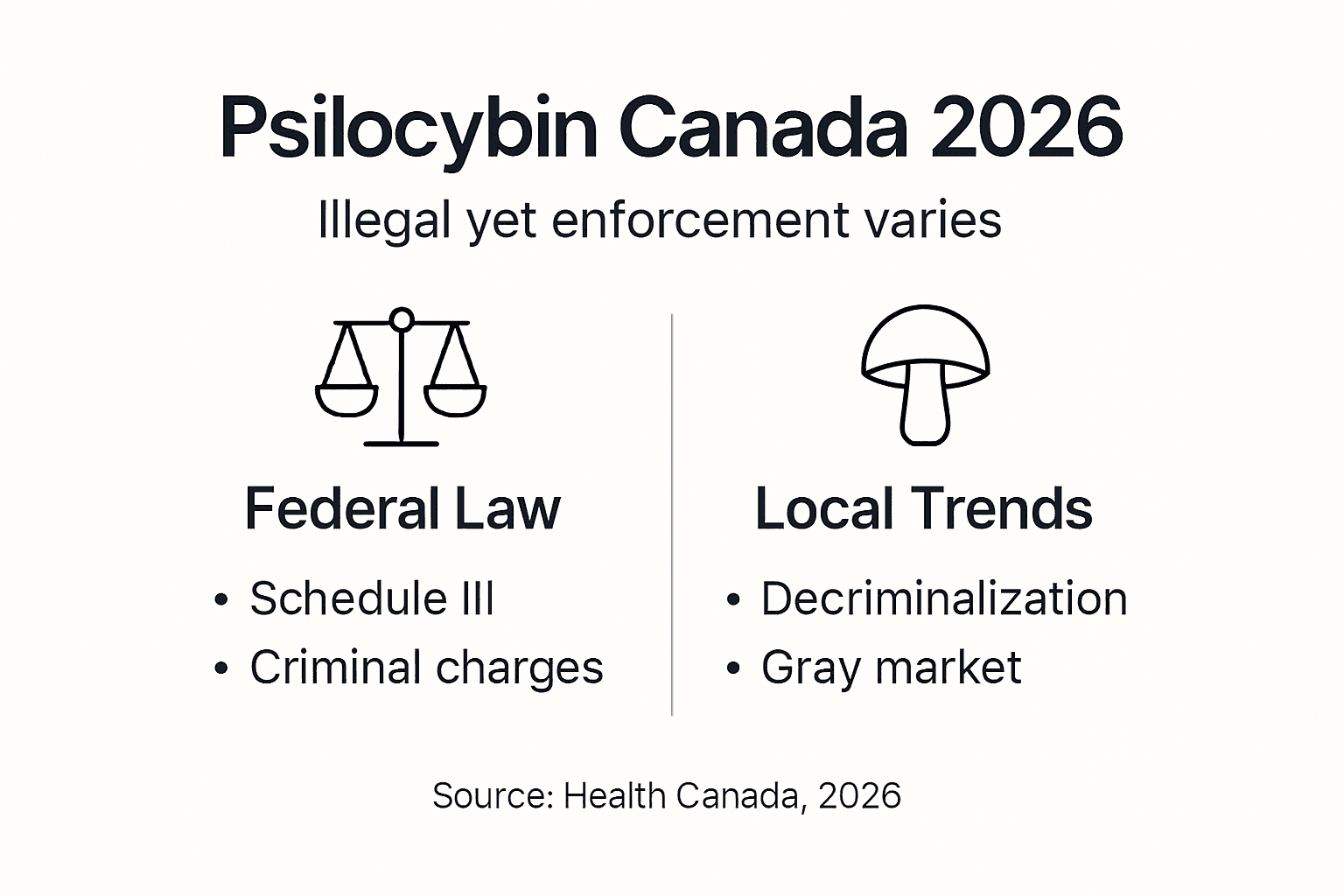
Psilocybin mushrooms are classified as Schedule III controlled substances under Canada’s Controlled Drugs and Substances Act, making possession, sale, and production illegal without authorization. This federal classification means that even small amounts for personal use can lead to criminal charges. The law applies nationwide, regardless of local policies or public perception.
Penalties for unauthorized possession, production, or trafficking include fines and potential imprisonment. The severity depends on the amount, intent, and context. Simple possession charges may result in lighter consequences, while production or trafficking can lead to years of incarceration. These penalties reflect the federal government’s approach to mushroom legality in Canada, which remains conservative despite growing public interest.
Key prohibitions under federal law include:
- Possessing any amount of psilocybin mushrooms or products without authorization
- Growing psilocybin mushrooms from spores or cultivation kits
- Selling, distributing, or trafficking psilocybin in any form
- Manufacturing psilocybin products like capsules, edibles, or teas
Despite strict federal rules, enforcement priorities have shifted. Police increasingly focus on trafficking networks and public safety threats rather than personal possession cases. This creates a disconnect between legal prohibition and practical enforcement. You face real legal risk, but the likelihood of prosecution for small personal amounts varies by location and circumstance. Understanding this nuance is essential for assessing your exposure.
Therapeutic Exemptions and Medical Use
Health Canada has carved out a narrow legal pathway for therapeutic psilocybin use. The agency grants exemptions allowing limited therapeutic use of psilocybin, mainly for patients with treatment-resistant mental health conditions under strict supervision. These exemptions represent a significant shift, acknowledging psilocybin’s potential medical value while maintaining regulatory control.
Eligibility focuses on patients who have exhausted conventional treatments without success. Conditions include treatment-resistant depression, anxiety related to terminal illness, and certain PTSD cases. Applications require detailed medical history, physician support, and justification for why standard therapies have failed. Health Canada reviews each case individually, making approval neither automatic nor guaranteed.
The exemption process involves several steps:
- Consultation with a healthcare provider familiar with psychedelic therapy
- Submission of a formal exemption request to Health Canada with supporting documentation
- Medical assessment confirming diagnosis and treatment history
- Approval contingent on supervised administration by qualified practitioners
Clinical trials represent another legal avenue. Researchers conducting approved studies can legally administer psilocybin to participants. These trials advance scientific understanding while providing access to patients within controlled settings. Health Canada supports this research as the safest method to evaluate therapeutic potential.
Pro Tip: If you’re considering therapeutic psilocybin, start by consulting mental health professionals familiar with psychedelic-assisted therapy. They can guide you through the exemption process or connect you with ongoing clinical trials. This approach ensures legal compliance and medical supervision, reducing risk significantly. Learn more about psilocybin therapy insurance in Canada to explore coverage options.
Local Decriminalization and Enforcement Variations
Several Canadian cities have adopted policies that deprioritize enforcement on personal psilocybin possession, creating a patchwork of de facto tolerance within federal prohibition. Vancouver, Toronto, and other municipalities have directed police to focus resources on more pressing public safety issues. This doesn’t change federal law but alters practical enforcement on the ground.
Decriminalization differs from legalization. Psilocybin remains illegal federally, but local police may not prioritize arrests for small amounts. This enforcement discretion reflects resource constraints and shifting public health priorities. Canadian enforcement agencies prioritize drug trafficking and overdose-related crimes, often deprioritizing investigations into psilocybin dispensaries due to limited resources and public health focus.
Key aspects of local enforcement variations:
- Municipal policies cannot override federal law but influence policing priorities
- Personal possession for personal use typically draws less attention than trafficking
- Enforcement varies by jurisdiction, with some cities more tolerant than others
- Federal agencies can still prosecute despite local decriminalization
In cities with deprioritized enforcement, users face reduced risk of arrest for small amounts. However, this tolerance is unofficial and subject to change. Political shifts, public complaints, or federal intervention could trigger crackdowns. You remain legally vulnerable even in tolerant jurisdictions.
“Local decriminalization creates a practical buffer between federal prohibition and street-level enforcement, but it offers no legal protection. Users must understand that possession remains a criminal offense nationwide, regardless of local police priorities.”
The practical implication is that psilocybin enforcement in Vancouver and similar cities operates in a gray zone. You may see dispensaries operating openly, but they exist on borrowed time under enforcement discretion. This environment allows access but demands caution and awareness of shifting legal winds.
Access and Market Realities in Canada
Despite federal illegality, a thriving unlicensed psilocybin market exists across Canada. Dispensaries sell dried mushrooms, microdose capsules, edibles, teas, and other products openly in major cities. Unlicensed psilocybin dispensaries operate openly in Canadian cities, exploiting enforcement discretion focused on higher-priority drug issues. This creates access opportunities but also significant legal and quality risks.
The market includes diverse products:
- Dried psilocybin mushrooms sold by weight or in pre-packaged amounts
- Microdose capsules with measured psilocybin doses for daily use
- Edibles like chocolates, gummies, and teas infused with psilocybin
- Grow kits and spores for home cultivation (spores legal, growing is not)
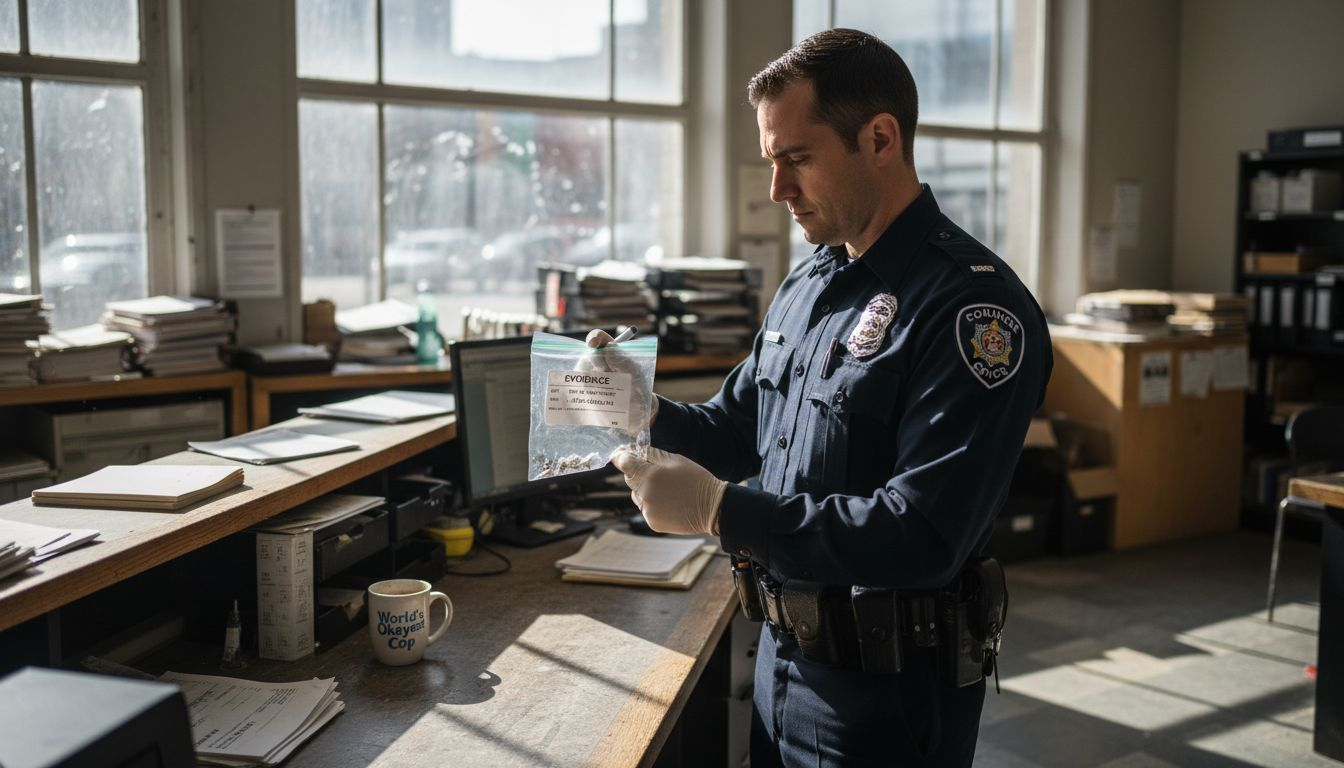
Enforcement discretion enables this market but doesn’t legitimize it. Police may tolerate dispensaries temporarily, then conduct raids based on complaints or policy changes. Buyers face risk of arrest during transactions or raids, though prosecution for small personal amounts remains uncommon. Sellers face far greater legal exposure.
For safer, more discreet access within current legal limits:
- Research reputable sources with established track records and positive user reviews.
- Start with small purchases to test product quality and vendor reliability before committing to larger orders.
- Prioritize vendors offering lab testing results or quality assurance documentation.
- Use discreet payment and delivery methods to minimize exposure and maintain privacy.
- Stay informed about local enforcement trends and legal developments in your area.
| Product Type | Legal Status | Quality Control | Enforcement Risk |
|---|---|---|---|
| Dried mushrooms | Illegal | Variable, no regulation | Moderate |
| Microdose capsules | Illegal | Variable, some vendors test | Moderate |
| Edibles | Illegal | Variable, potency inconsistent | Moderate |
| Spores | Legal | Generally consistent | None for possession |
| Grow kits | Legal to own, illegal to use | Not applicable | High if cultivating |
Pro Tip: Quality varies dramatically among unlicensed vendors. Look for those providing third-party lab testing results showing psilocybin content and confirming absence of contaminants. This reduces health risks even if legal risks persist. Explore psilocybin safety protocols and learn how to buy magic mushrooms safely in Canada for more detailed guidance on navigating this market responsibly.
Legal Risks and Penalties for Unauthorized Possession and Sale
Federal law imposes serious consequences for unauthorized psilocybin activities. Possession or sale of psilocybin without authorization can lead to criminal charges, including fines and imprisonment, reflecting significant legal risk despite local tolerance. Understanding these penalties helps you make informed decisions about risk exposure.
Possession charges depend on amount and intent. Simple possession for personal use may result in fines, probation, or conditional discharge for first offenses. Repeat offenses or larger amounts suggesting intent to distribute trigger harsher penalties. Trafficking charges carry mandatory minimum sentences in some cases, particularly for large-scale operations.
Key legal risks include:
- Possession: Fines up to several thousand dollars, potential jail time up to one year for summary conviction
- Trafficking or distribution: Imprisonment ranging from months to years depending on scale
- Production or cultivation: Serious charges with potential multi-year prison sentences
- Criminal record: Employment, travel, and professional licensing consequences lasting years
Local decriminalization offers no protection against federal prosecution. Crown prosecutors can pursue charges regardless of municipal policies. While prosecution for small personal amounts remains uncommon, the legal authority exists. High-profile cases or political pressure can trigger enforcement even in tolerant cities.
Enforcement scenarios vary. You face greatest risk when:
- Purchasing from dispensaries during raids or sting operations
- Carrying amounts suggesting distribution rather than personal use
- Crossing provincial or international borders with psilocybin
- Cultivating mushrooms, which draws more serious charges than simple possession
Criminal records create long-term consequences beyond immediate penalties. Convictions affect employment screening, professional licensing, travel to countries requiring criminal background checks, and immigration status for non-citizens. Even withdrawn or discharged cases may appear on records accessible to law enforcement.
The practical reality is that enforcement remains inconsistent. Small personal possession rarely leads to prosecution in major cities, but exceptions occur. Understanding legal risks for magic mushrooms in Canada and federal legal penalties for psilocybin in Canada helps you assess your situation accurately. Caution and discretion remain essential regardless of local tolerance.
Legal Nuances: Spores vs Active Psilocybin Mushrooms
Canadian law creates a curious distinction between psilocybin spores and mature mushrooms. Psilocybin spores do not contain psilocybin or psilocin and are legal to possess, but cultivating mushrooms from spores is illegal. This nuance confuses many people and creates a legal loophole for spore sales while maintaining prohibition on actual mushrooms.
Spores lack active compounds. They’re essentially seeds that could produce mushrooms but don’t yet contain controlled substances. This technicality makes possession, purchase, and sale of spores legal. Vendors openly sell spore syringes and prints marketed for microscopy or research purposes.
The legality ends when spores germinate. Growing mushrooms produces psilocybin and psilocin, both Schedule III substances. Cultivation constitutes production of controlled substances, a serious federal offense. This applies even to small personal grows.
Common misconceptions about spore legality:
- Myth: If spores are legal, growing must be too. Reality: Possession is legal, cultivation is not.
- Myth: Growing for personal use is a gray area. Reality: Federal law makes no distinction between personal and commercial cultivation.
- Myth: Spore vendors operate in a legal gray zone. Reality: Spores themselves are explicitly legal to sell and possess.
- Myth: You can legally grow if you don’t harvest. Reality: Cultivation itself is illegal regardless of harvest.
This distinction creates opportunities and risks. You can legally purchase spores for legitimate research or microscopy. However, using them to grow mushrooms exposes you to serious criminal charges. Law enforcement understands this distinction and may investigate spore purchases as evidence of intent to cultivate.
Pro Tip: If you’re interested in mycology, stick to legal species for cultivation practice. Many gourmet and medicinal mushrooms grow using similar techniques without legal risk. Explore psilocybin spores legality and cultivation for more details on staying within legal boundaries while pursuing mycological interests. Refer to the global legal map on psilocybin spores for international context.
Research and Therapeutic Potential in Canada
Canadian research institutions are advancing clinical studies on psilocybin’s therapeutic applications. Health Canada emphasizes clinical trials as the safest and most effective way to advance research on psilocybin for mental health, signaling cautious regulatory openness. This research builds evidence supporting potential future policy changes while maintaining strict oversight.
Current clinical trials focus on several key areas:
- Treatment-resistant depression, showing promising response rates where conventional antidepressants fail
- Anxiety and depression in terminal cancer patients, improving quality of life and existential distress
- PTSD treatment, particularly for veterans and trauma survivors
- Addiction treatment for alcohol, tobacco, and other substance dependencies
- End-of-life psychological distress, helping patients process mortality and find meaning
Studies consistently demonstrate psilocybin’s potential when administered in controlled therapeutic settings. Patients report significant symptom reduction, often after single or limited doses. Effects can persist months after treatment, suggesting durable therapeutic benefits. This evidence drives growing scientific and public interest.
Health Canada’s approach balances caution with openness. The agency approves clinical trials meeting rigorous safety and scientific standards. It grants therapeutic exemptions for qualifying patients, acknowledging circumstances where potential benefits outweigh risks. This measured regulatory posture allows research to proceed while maintaining control.
Research outcomes will likely influence future policy. Strong clinical evidence could justify expanded therapeutic access or reclassification of psilocybin. However, the timeline remains uncertain. Regulatory changes require substantial evidence, public consultation, and political will. The process may take years or even decades.
Stay informed about evolving research through the latest psilocybin research in Canada and official Health Canada clinical trials information. Understanding the scientific foundation helps you assess future legal developments and therapeutic opportunities.
Future Legal Trends and Predictions in Canada
Canada’s psilocybin legal landscape will likely evolve significantly over the next decade. Several factors suggest movement toward broader access, though the timeline and extent remain uncertain. Public opinion, scientific evidence, municipal experiments, and international precedents all influence future policy.
Key trends shaping future legalization prospects:
- Growing public support for psychedelic therapy based on mental health crisis awareness
- Accumulating clinical evidence demonstrating safety and efficacy in controlled settings
- Increasing number of municipalities adopting decriminalization or deprioritization policies
- Emerging psychedelic therapy industry creating economic incentives for regulatory clarity
- International examples like Oregon’s regulated psilocybin program providing policy models
Predictions vary among experts. Optimistic scenarios envision regulated therapeutic access within five years, similar to medical cannabis frameworks. This could include licensed therapy centers, trained facilitators, and quality-controlled products. More conservative projections suggest gradual expansion of exemptions without full legalization for another decade or more.
Municipal experiments with decriminalization serve as testing grounds. If these policies demonstrate public health benefits without significant downsides, federal policy may follow. However, political resistance remains. Conservative voices emphasize risks and oppose normalization of psychedelic use. Policy outcomes depend partly on which perspectives dominate public discourse.
Economic factors also matter. A regulated psilocybin therapy industry could generate tax revenue and create jobs. Industry stakeholders advocate for clear regulations enabling legal business operations. This economic pressure may accelerate policy reform, though concerns about commercialization and profit motives temper enthusiasm among some advocates.
Regardless of timeline, change seems likely. The status quo of federal prohibition combined with local tolerance and growing therapeutic exemptions creates unsustainable contradictions. Policy will likely evolve toward either stricter enforcement or broader legalization. Current trends suggest the latter, though surprises remain possible.
Staying informed about legal developments helps you anticipate opportunities and risks. Monitor Health Canada announcements, municipal policy changes, and clinical research outcomes. Understanding the direction of travel allows better planning whether you’re interested in therapeutic use, research participation, or simply staying compliant with evolving law.
Explore Safe Psilocybin Products and Resources at Three Amigos
Navigating Canada’s complex psilocybin landscape requires reliable information and trusted sources. Three Amigos offers carefully curated microdose magic mushroom capsules designed for consistent, measured experiences. Our products undergo quality testing to ensure purity and accurate dosing, reducing risks associated with unregulated market purchases.
We provide comprehensive educational resources to support informed decision making. Our psilocybin experience guide walks you through preparation, dosing, and integration practices. Learn about the latest scientific findings through our psilocybin research explained articles. We’re committed to harm reduction, responsible use, and advancing psychedelic education within Canada’s evolving legal framework. Whether you’re exploring microdosing for mental health benefits or seeking deeper understanding of psilocybin’s therapeutic potential, Three Amigos combines quality products with the knowledge you need to navigate this journey safely and responsibly.
Frequently Asked Questions
Is it legal to possess psilocybin mushrooms in Canada?
No. Possession remains federally illegal without a Health Canada exemption. Some cities deprioritize enforcement, creating local tolerance, but federal law still applies nationwide. Criminal charges are possible anywhere in Canada, though prosecution for small personal amounts is uncommon in tolerant municipalities. Legal risk persists regardless of local policies.
Can I legally buy psilocybin mushrooms in Canada?
Unlicensed sales are illegal but sometimes tolerated locally due to enforcement discretion. Authorized purchase is only possible through Health Canada therapeutic exemptions or participation in approved clinical trials. Buying from unlicensed dispensaries carries legal risk for both buyers and sellers. Learn how to buy magic mushrooms safely while understanding these risks.
Are psilocybin spores legal to own and cultivate?
Spores are legal to possess because they lack psilocybin or psilocin. However, cultivating mushrooms from spores is illegal as it produces controlled substances. This distinction confuses many people but is clear in law. You can legally buy and own spores, but growing mushrooms from them violates federal law. Explore spores legality and cultivation for more details.
What are the legal risks of buying from unlicensed dispensaries?
Law enforcement may tolerate dispensaries temporarily, but legal risk persists for buyers and sellers. Criminal charges for possession or sale are possible, though uncommon for small personal amounts. Discretion varies by location and time, subject to change based on political priorities or public complaints. Raids can occur without warning, potentially resulting in arrests and prosecution.
What is the difference between decriminalization and legalization?
Decriminalization means local police deprioritize enforcement but the substance remains illegal under federal law. Legalization removes criminal penalties and establishes regulated access. Canadian cities practicing decriminalization don’t change federal prohibition. They simply redirect police resources to other priorities. Federal prosecutors can still file charges anywhere in Canada regardless of municipal policies.
Recommended
- Psilocybin Cultivation: Safe Practices and Legal Facts
- Welcome to The Future: Canada Now Has Psilocybin Stores | 3 Amigos
- Are Mushrooms Legal In Canada? What You Need To Know | 3 Amigos Mushrooms
- Psilocybin Safety Protocols: Protecting Wellness in Canada

Thomas Wrona is a writer, designer, and wellness coach who believes that nature’s wisdom provides an antidote to the stress of modern life. As a former pro athlete, he’s all about staying in motion! When he’s not writing you’ll probably find Thomas outside.