
Psilocybin Cultivation: Safe Practices and Legal Facts
Growing psilocybin mushrooms can feel exciting yet daunting when you are searching for safe ways to explore their therapeutic benefits. The journey calls for careful attention to biology, environment, and legal boundaries, especially for Canadian cultivators. With strain diversity and environmental factors strongly influencing psychoactive compound levels, understanding genetic variation and controlled cultivation techniques lays the groundwork for realistic expectations and safer practices.
Table of Contents
- Psilocybin Cultivation Basics And Misconceptions
- Popular Psilocybin Mushroom Species And Variations
- Step-By-Step Basics Of Cultivation Process
- Legal Status And Regulations For Canadian Growers
- Safety Protocols And Harm Reduction Methods
- Common Cultivation Mistakes And Quality Concerns
Key Takeaways
| Point | Details |
|---|---|
| Understanding Cultivation | Psilocybin mushroom cultivation requires knowledge of biology, genetics, and environmental factors. Misconceptions often lead to unrealistic expectations about strain potency and growth conditions. |
| Diversity of Species | There are over 150 psilocybin species, each with unique traits affecting their growth and psychoactive properties. Familiarize yourself with specific strains for successful cultivation. |
| Legal Considerations | In Canada, psilocybin is classified as a controlled substance with strict regulations on cultivation. Always verify legal requirements before starting any cultivation efforts. |
| Safety Protocols | Implement harm reduction strategies that include strict sterilization, dosage management, and health assessments to ensure safe cultivation and consumption practices. |
Psilocybin cultivation basics and misconceptions
Psilocybin mushroom cultivation represents a nuanced process requiring precise understanding of biological, environmental, and legal considerations. While many enthusiasts approach this practice with curiosity, significant misconceptions often cloud realistic expectations about growing psilocybin-containing fungi.
Understanding the fundamental science behind psilocybin mushroom growth involves recognizing the critical role of genetic diversity and environmental conditions. Psilocybe cubensis strain variations significantly impact psychoactive compound production, challenging simplistic cultivation assumptions.
Key cultivation misconceptions include:
- Believing all psilocybin mushroom strains produce identical potency levels
- Assuming uniform growth conditions across different genetic variants
- Underestimating the complexity of controlled mushroom environment management
- Overlooking critical substrate preparation and sterilization requirements
Successful cultivation demands rigorous attention to multiple interconnected factors. Temperature, humidity, substrate composition, and genetic strain each play pivotal roles in determining mushroom development and potential psychoactive compound concentration.
Pro tip: Research your specific mushroom strain thoroughly and understand its unique environmental requirements before attempting cultivation.
Popular psilocybin mushroom species and variations
The world of psilocybin-containing mushrooms is rich with diversity, encompassing numerous species that offer unique characteristics and chemical compositions. Psilocybe species diversity reveals a fascinating landscape of over 150 distinct mushroom types, each with its own complex profile of psychoactive compounds.
Most cultivators and researchers focus on several prominent species known for their distinct properties:
- Psilocybe cubensis: The most widely cultivated species, known for consistent growth and moderate potency
- Psilocybe azurescens: Renowned for extremely high psilocybin concentrations
- Psilocybe natalensis: Recognized for unique genetic characteristics and robust growth patterns
- Psilocybe zapotecorum: Noted for its distinctive geographic origins and chemical complexity
Each species presents unique challenges and opportunities in cultivation. Factors like substrate composition, environmental conditions, and genetic strain significantly influence mushroom development and psychoactive compound production. Genetic variations within species can dramatically alter potency, growth characteristics, and overall mushroom morphology.
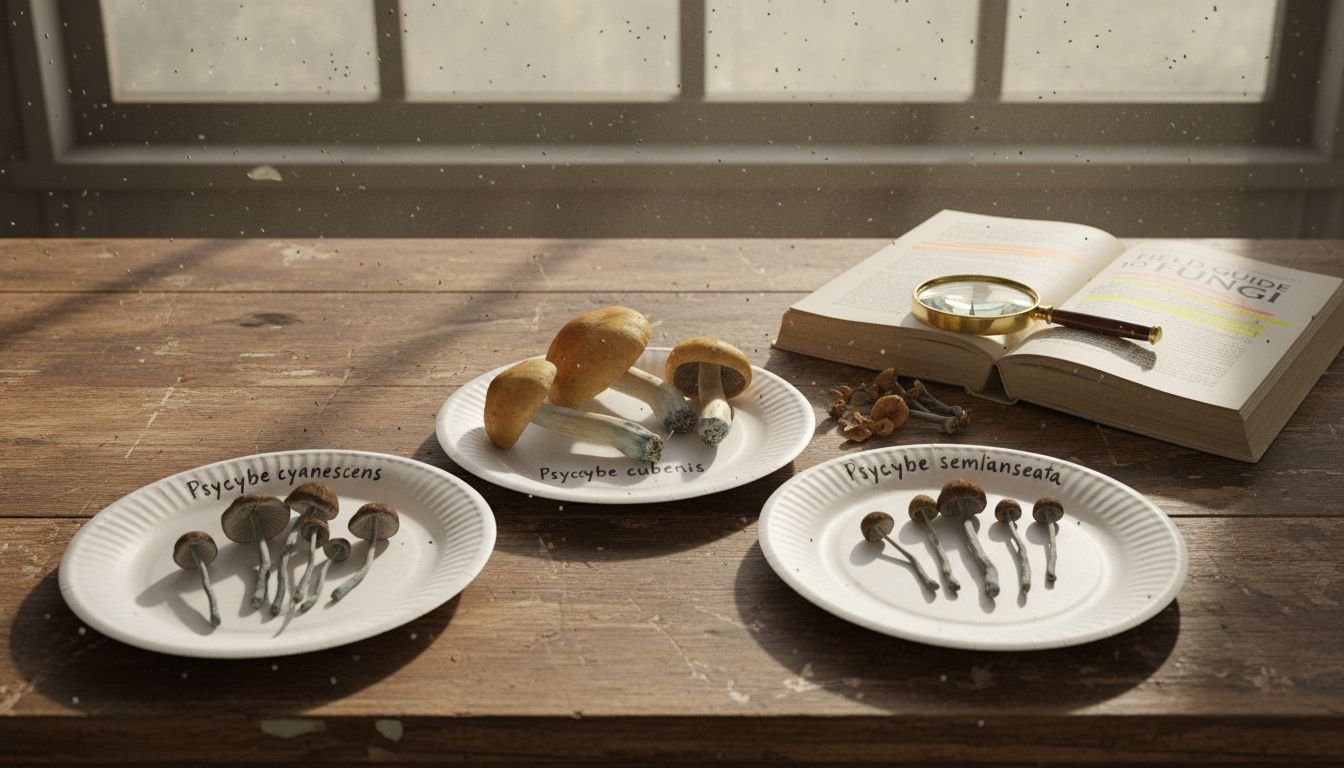
Here’s a comparison of popular psilocybin mushroom species and their key attributes:
| Species | Potency Level | Cultivation Difficulty | Notable Characteristics |
|---|---|---|---|
| Psilocybe cubensis | Moderate | Beginner-friendly | Widely available, stable yields |
| Psilocybe azurescens | Very high | Advanced | Potent, prefers outdoor environments |
| Psilocybe natalensis | Moderate to high | Intermediate | Unique genetics, vigorous growth |
| Psilocybe zapotecorum | Variable | Advanced | Complex chemistry, specialized needs |
Pro tip: Always verify the specific legal status of your chosen mushroom species in your jurisdiction before attempting any cultivation efforts.
Step-by-step basics of cultivation process
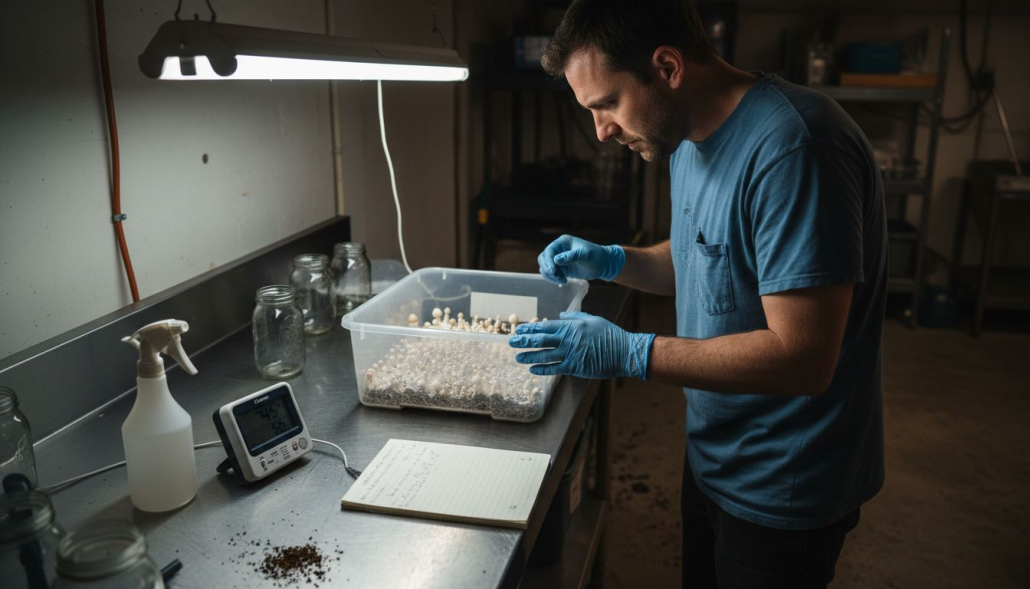
Successful psilocybin mushroom cultivation requires a systematic approach and meticulous attention to detail. Psilocybe cubensis cultivation techniques demand precision in every stage of the growth process, from substrate preparation to final harvest.
Key stages of mushroom cultivation include:
- Substrate Preparation
- Select appropriate nutrient-rich growing medium
- Sterilize substrate to eliminate competing microorganisms
- Maintain precise moisture and nutrient balance
- Inoculation
- Introduce spores or mycelial culture to sterilized substrate
- Ensure clean, contamination-free environment
- Maintain optimal temperature and humidity
- Mycelium Development
- Monitor growth patterns and colony expansion
- Provide consistent environmental conditions
- Manage light and temperature carefully
- Fruiting Stage
- Adjust environmental parameters to trigger mushroom formation
- Control humidity, temperature, and air exchange
- Watch for initial pinhead formations
- Harvesting
- Identify optimal harvest time based on mushroom maturity
- Use sterile techniques during collection
- Properly dry and store harvested specimens
Each cultivation stage presents unique challenges requiring specific knowledge and careful execution. Environmental factors like temperature, humidity, and substrate composition significantly influence mushroom development and psychoactive compound production.
Pro tip: Document every stage of your cultivation process meticulously, creating a detailed log to track environmental conditions and growth patterns.
Legal status and regulations for Canadian growers
Navigating the legal landscape of psilocybin cultivation in Canada requires careful understanding of complex federal and provincial regulations. Canadian psilocybin regulatory frameworks reveal a nuanced environment where legal boundaries are constantly evolving.
Key legal considerations for Canadian growers include:
- Federal Classification: Psilocybin remains a Schedule III controlled substance
- Medical Exceptions: Limited legal pathways for therapeutic use
- Provincial Variations: Significant differences in regional interpretations
- Research Permissions: Strictly regulated scientific investigation protocols
Currently, legal cultivation is primarily restricted to:
- Authorized scientific research institutions
- Licensed medical research programs
- Specific therapeutic treatment contexts with explicit governmental permissions
The legal framework distinguishes between personal possession, cultivation, and distribution, with severe penalties for unauthorized activities. Potential legal risks include criminal charges, significant fines, and potential imprisonment for non-compliant cultivation practices.
Unauthorized psilocybin cultivation can result in serious legal consequences, including criminal prosecution and substantial financial penalties.
Pro tip: Always consult legal professionals and verify current regulations before attempting any psilocybin-related activities.
Safety protocols and harm reduction methods
Ensuring safe psilocybin cultivation and consumption requires comprehensive harm reduction strategies that address potential psychological and physiological risks. Safety considerations for psilocybin exposure emphasize the critical importance of education, controlled environments, and informed decision-making.
Key safety protocols include:
- Strict environmental sterilization
- Precise dosage measurement
- Comprehensive personal health screening
- Secure storage of materials
- Mental health preparedness
Risk mitigation strategies for cultivation and consumption involve:
- Conducting thorough personal health assessments
- Understanding individual psychological vulnerabilities
- Creating controlled, supportive environments
- Implementing rigorous contamination prevention techniques
- Maintaining detailed documentation of cultivation processes
Psychological and physical safety must always take precedence over experimental curiosity or recreational exploration.
Proper personal protective equipment, sterile techniques, and comprehensive knowledge of potential interactions and side effects are fundamental to responsible psilocybin-related activities.
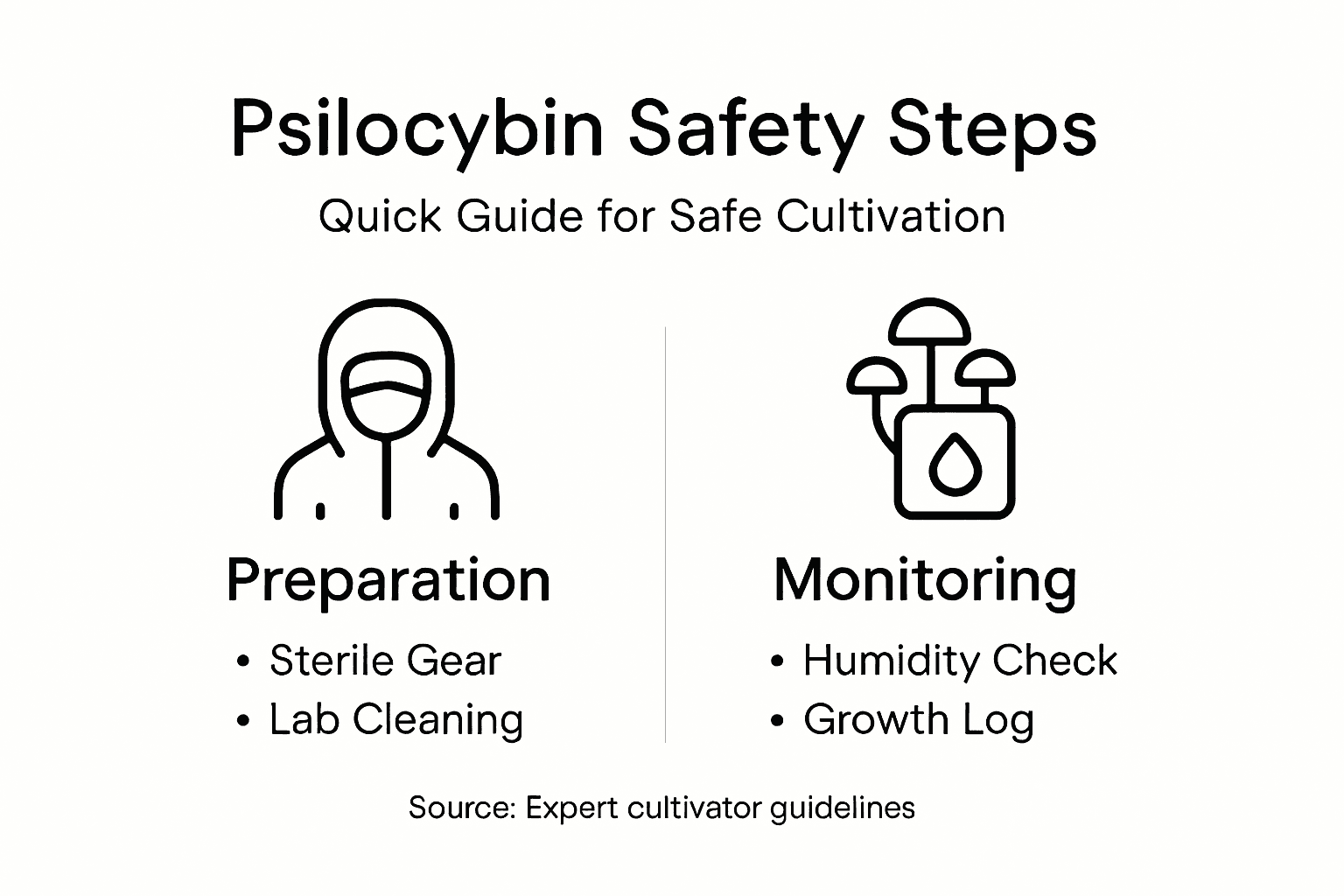
Below is a summary of critical safety protocols and their primary benefits:
| Protocol | Primary Benefit | Why It Matters |
|---|---|---|
| Environmental sterilization | Reduces contamination risk | Ensures healthy mushroom growth |
| Dosage measurement | Prevents overdose or underdose | Promotes safe consumption |
| Health screening | Minimizes medical complications | Protects individual wellbeing |
| Secure storage | Prevents accidental exposure | Increases overall safety |
Pro tip: Develop a comprehensive safety plan that includes emergency contacts, potential interaction risks, and clear guidelines for responsible use.
Common cultivation mistakes and quality concerns
Psilocybin mushroom cultivation involves numerous potential pitfalls that can compromise product quality and safety. Cultivation challenges in Psilocybe production reveal complex interactions between environmental factors and mushroom development that demand meticulous attention.
Most frequent cultivation mistakes include:
- Inadequate sterilization techniques
- Inconsistent temperature and humidity control
- Poor substrate preparation
- Contamination from external microorganisms
- Improper spore or mycelium handling
Quality concerns that significantly impact mushroom potency and safety involve:
- Genetic instability of cultivation strains
- Inconsistent psychoactive compound concentration
- Potential microbial contamination risks
- Degradation of active compounds during storage
- Variations in mushroom morphological development
Precision and consistency are paramount in maintaining high-quality psilocybin mushroom cultivation standards.
Successful cultivation requires understanding complex biological interactions, implementing rigorous sterile techniques, and continuously monitoring environmental parameters to minimize potential risks and ensure reliable, high-quality production.
Pro tip: Invest in professional-grade sterilization equipment and develop a comprehensive tracking system to monitor each stage of mushroom growth.
Elevate Your Psilocybin Experience Safely and Legally
Understanding the complexities of psilocybin cultivation and navigating Canadian legal regulations can be daunting. This article highlights the importance of precise environmental control, proper safety protocols, and legal awareness to ensure a responsible and effective experience. If managing substrate sterilization, strain genetics, or legal restrictions feels overwhelming, you are not alone.
Discover how Three Amigos simplifies your journey with trusted access to premium dried shrooms, microdosing capsules, and edibles while prioritizing harm reduction and psychedelic education. Enjoy top-quality products backed by scientific research and rigorous safety measures without the risks associated with unauthorized cultivation.
Take control of your well-being today by exploring our selection at Three Amigos. Visit now to find detailed guides on safe use and legal clarity along with discreet, reliable purchasing options that put your safety and mental health first.
Frequently Asked Questions
What are the key factors in successful psilocybin mushroom cultivation?
Successful psilocybin mushroom cultivation hinges on several critical factors including genetic strain selection, environmental conditions (such as temperature and humidity), substrate preparation, and strict sterilization protocols.
How can I ensure safe cultivation of psilocybin mushrooms?
To ensure safe cultivation, adhere to strict environmental sterilization, measure precise dosages, conduct personal health screenings, securely store materials, and create a controlled and supportive environment for growth.
What are the common mistakes to avoid in psilocybin mushroom cultivation?
Common mistakes in psilocybin mushroom cultivation include inadequate sterilization, inconsistent temperature and humidity control, poor substrate preparation, and contamination from external microorganisms. Attention to detail can greatly improve outcomes.
What legal considerations should I be aware of when cultivating psilocybin mushrooms?
Legal considerations include understanding that psilocybin is classified as a controlled substance, awareness of medical exceptions for therapeutic use, and recognition of regional differences in regulations affecting cultivation, possession, and distribution.
Recommended
- The Ultimate Guide to a Perfect Magic Mushroom Trip
- Psilocybin Delivery Services in Vancouver: What You Need to Know
- Are Mushrooms Legal In Canada? What You Need To Know | 3 Amigos Mushrooms
- Complete Magic Mushroom Dosage Information Guide | 3 Amigos

Thomas Wrona is a writer, designer, and wellness coach who believes that nature’s wisdom provides an antidote to the stress of modern life. As a former pro athlete, he’s all about staying in motion! When he’s not writing you’ll probably find Thomas outside.