

Therapeutic uses of dried mushrooms: mental health 2026
A single high-dose treatment of dried psilocybin mushrooms can relieve severe depression in up to 70% of patients for months. This guide explores how dried psilocybin mushrooms work therapeutically, covering mechanisms, clinical evidence, dosing strategies, safety protocols, and practical steps for individuals seeking mental health benefits or spiritual growth through these powerful compounds.
Table of Contents
- Introduction To Psilocybin Mushrooms And Therapeutic Context
- Neuropharmacology Of Psilocybin Mushrooms
- Clinical Evidence For Mental Health Benefits
- Microdosing Vs Macrodosing: Protocols And Effects
- Safety Profiles And Harm Reduction Practices
- Common Misconceptions And Clarifications
- Practical Use And Quality Assurance
- Spiritual And Personal Development Benefits
- Explore Trusted Psilocybin Products And Guides At 3 Amigos
Key takeaways
| Point | Details |
|---|---|
| Psilocybin modulates serotonin receptors | Psilocin binds to 5-HT2A receptors, altering brain network connectivity and promoting mental flexibility. |
| High-dose therapy shows strong depression remission | Clinical trials report 60-70% remission rates in treatment-resistant depression lasting six months or longer. |
| Microdosing offers subtle cognitive benefits | Small doses (0.1-0.3 grams) may enhance mood and creativity, though evidence remains preliminary. |
| Safety profile is excellent | Psilocybin is non-toxic, non-addictive, and promotes neuroplasticity without causing brain damage. |
| Dosing and integration enhance outcomes | Accurate dosing, safe settings, and therapeutic integration maximize therapeutic and spiritual benefits. |
Introduction to psilocybin mushrooms and therapeutic context
Dried psilocybin mushrooms contain psychoactive compounds, primarily psilocybin and psilocin, which produce altered states of consciousness when ingested. For thousands of years, indigenous cultures used these mushrooms in spiritual ceremonies and healing rituals. Modern science has rediscovered their potential, focusing on treating depression, anxiety, PTSD, and existential distress in life-threatening illnesses.
Therapeutic use differs sharply from recreational consumption. It involves intentional preparation, supportive environments, and post-experience integration to process insights and sustain mental health improvements. Research documenting psilocybin’s impact reveals these compounds can catalyze profound psychological shifts when combined with therapy.
Targeted conditions include treatment-resistant depression, anxiety in terminal cancer patients, obsessive-compulsive disorder, and substance use disorders. Therapeutic frameworks emphasize safety, mindset (set), physical and social environment (setting), and guided support. This approach maximizes benefits while minimizing risks, distinguishing clinical applications from casual use.
Key therapeutic principles include:
- Intentional preparation and clear therapeutic goals
- Professional or experienced guide support during sessions
- Integration therapy to consolidate insights into daily life
- Emphasis on psychological safety and trauma-informed care
Neuropharmacology of psilocybin mushrooms
When you ingest dried psilocybin mushrooms, enzymes in your body convert psilocybin into psilocin, the active compound. Psilocin binds to serotonin 5-HT2A receptors, densely distributed in brain regions governing perception, mood, and cognition. This receptor activation triggers cascading neurochemical changes that produce the psychedelic experience.
Understanding psilocybin’s neuropharmacology reveals how it disrupts rigid thought patterns. The default mode network (DMN), a brain system associated with self-referential thinking and ego boundaries, becomes less active under psilocybin. Reduced DMN activity correlates with ego dissolution, where the sense of a fixed self temporarily dissolves, allowing fresh perspectives.
Brain connectivity changes during psilocybin sessions show increased communication between regions that normally don’t interact. This hyper-connected state may explain enhanced creativity, emotional breakthroughs, and the ability to reframe traumatic memories. Neuroplastic effects persist after the acute experience, with psilocybin promoting nerve growth and synaptic remodeling that supports lasting therapeutic gains.
Psilocin’s action on serotonin receptors fundamentally rewires how brain networks communicate, creating windows of neuroplasticity that can break entrenched mental health patterns.
Key neuropharmacological mechanisms include:
- Rapid conversion of psilocybin to psilocin in the digestive system
- High affinity binding to 5-HT2A serotonin receptors
- Temporary reduction in default mode network dominance
- Enhanced neuroplasticity and synapse formation
- Increased emotional processing and memory reconsolidation
Clinical evidence for mental health benefits
Rigorous clinical trials provide compelling evidence for dried psilocybin mushrooms’ therapeutic potential. Studies at Johns Hopkins and Imperial College London show 60-70% remission in treatment-resistant depression following one or two high-dose sessions paired with therapy. Participants who failed multiple antidepressants experienced relief that persisted six months or longer.
Anxiety reduction in patients facing life-threatening cancer diagnoses represents another breakthrough. A single psilocybin session reduced existential distress and anxiety by 60-80% in multiple trials, with improvements maintained at long-term follow-ups. Patients reported renewed meaning in life and reduced fear of death.
Ongoing psilocybin research continues to expand our understanding of therapeutic applications. Trials now explore efficacy for obsessive-compulsive disorder, eating disorders, and alcohol dependence, with promising early results across diverse conditions.
Microdosing evidence remains less robust. Most studies rely on self-reported outcomes rather than placebo-controlled designs. While users describe improved mood, focus, and creativity, we lack randomized controlled trials confirming these benefits beyond placebo effects. The therapeutic promise of microdosing warrants more rigorous investigation before drawing firm conclusions.
The sustained antidepressant effects following just one or two psilocybin sessions contrast sharply with daily antidepressant medication requirements, suggesting a fundamentally different mechanism of action.
Microdosing vs macrodosing: protocols and effects
Microdosing involves taking sub-perceptual amounts of dried psilocybin mushrooms, typically 0.1-0.3 grams, every few days. Users report subtle mood elevation and enhanced cognition, though effects remain mild and don’t produce noticeable alterations in perception. Common schedules include dosing every third day or following a four-day-on, three-day-off cycle.
Macrodosing refers to full psychedelic doses, usually 3-5 grams of dried mushrooms, producing profound alterations in consciousness. These sessions involve intense visual changes, emotional catharsis, and often spiritual or mystical experiences. Understanding microdose vs macrodose differences helps you choose the appropriate approach for your goals.
| Aspect | Microdosing | Macrodosing |
|---|---|---|
| Dose range | 0.1-0.3 grams dried | 3-5 grams dried |
| Perceptual effects | Sub-perceptual, minimal | Profound, immersive |
| Frequency | Every 3-4 days | Infrequent, spaced months apart |
| Clinical evidence | Preliminary, self-reported | Strong, randomized controlled trials |
| Risk level | Very low | Moderate, needs preparation |
| Therapeutic application | Ongoing subtle support | Deep transformative sessions |
Macrodosing backed by clinical trials demonstrates clear efficacy for depression and anxiety, while microdosing lacks equivalent validation. However, microdosing’s lower risk profile and ease of integration into daily life appeal to many seeking gentle support. Both approaches benefit from intentional use rather than casual experimentation.
Pro Tip: If you’re new to therapeutic psilocybin use, start with standardized microdose capsules to ensure consistent dosing and minimize variables while you learn how your body responds.
Key protocol considerations include:
- Microdosing suits ongoing mood and cognitive support
- Macrodosing targets deeper psychological work and trauma processing
- Spacing macrodoses prevents tolerance and allows integration time
- Combining either approach with therapy amplifies benefits
Safety profiles and harm reduction practices
Psilocybin demonstrates an excellent safety profile. Research confirms it is non-toxic and non-addictive, with no documented cases of fatal overdose or neurotoxic effects. Common side effects include mild nausea during onset, temporary anxiety, and visual distortions that resolve as effects wear off.
The greatest risks arise from psychological challenges rather than physical toxicity. Difficult experiences, often called “bad trips,” can occur when set and setting aren’t optimized. Pre-existing mental health vulnerabilities, unsupportive environments, or high doses without preparation increase this risk. Following a mushroom harm reduction workflow minimizes these concerns.
Harm reduction best practices protect your wellbeing:
- Start with low doses and increase gradually as you gain experience
- Choose comfortable, safe environments with trusted companions
- Avoid mixing psilocybin with alcohol or other substances
- Screen for personal or family history of psychosis
- Have a sober guide present during macrodose sessions
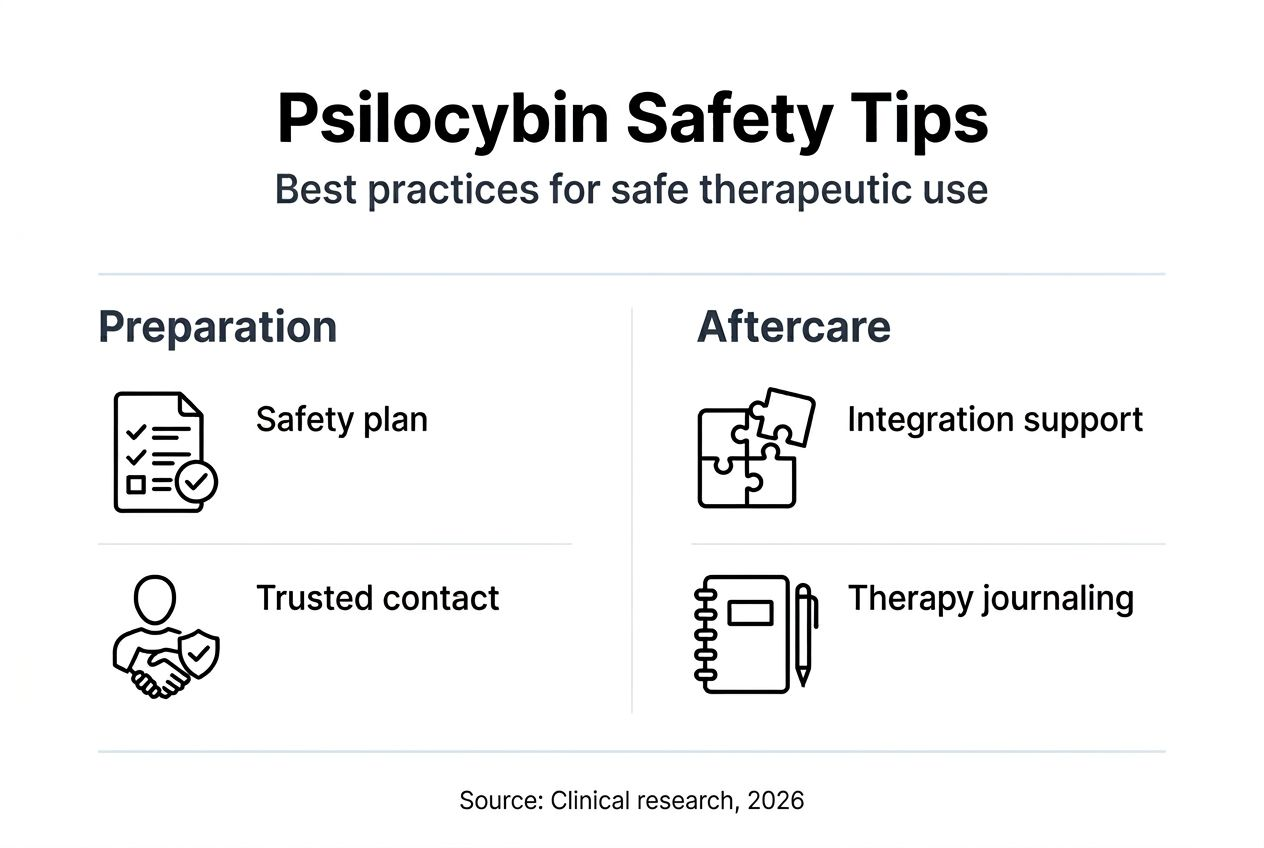
Integration support following sessions helps consolidate insights and prevent emotional overwhelm. Therapy, journaling, and supportive community discussions aid this process. Safe mushroom consumption workflows provide structured frameworks for responsible use.
Pro Tip: Create a “safety plan” before any session, including contact information for trusted friends, calming music playlists, and comfort items like blankets or favorite foods to ground yourself if anxiety arises.
Common misconceptions and clarifications
Myth: Psilocybin causes brain damage. This false belief stems from decades of drug war propaganda. In reality, psilocybin promotes neuroplasticity and neuron growth, enhancing brain health rather than harming it. Neuroimaging studies show no structural damage even after repeated use.
Myth: Psilocybin is addictive. Clinical evidence reveals no addiction potential. Unlike substances that hijack reward pathways, psilocybin doesn’t create physical dependence or compulsive use patterns. Most users naturally space sessions weeks or months apart without cravings.
Microdosing is often misunderstood as equivalent to macrodosing in therapeutic efficacy. While preliminary self-reports suggest benefits, microdosing lacks the rigorous clinical validation that macrodosing possesses. Treating them as interchangeable overstates current evidence.
The distinction between therapeutic and recreational use hinges on intention, preparation, and integration, not simply the substance itself. Context transforms the experience.
Therapeutic use involves careful preparation, professional guidance, and post-session integration, distinguishing it from casual recreational consumption. Understanding cultivation and legal contexts helps navigate ethical and legal considerations around therapeutic access.
Key clarifications include:
- Psilocybin enhances brain plasticity, not damages neurons
- No addiction mechanism exists for psilocybin compounds
- Therapeutic frameworks emphasize safety, support, and intention
- Legal status varies widely, requiring local legal research
Practical use and quality assurance
Potency variability poses a significant challenge with dried mushrooms. Psilocybin concentration can vary by 50% between samples due to species differences, growing conditions, and drying methods. This inconsistency makes precise dosing difficult without lab testing.
Sourcing from reputable suppliers who provide lab-tested products ensures you know exactly what you’re consuming. Avoid black market sources where contamination, misidentification, or adulteration risks increase. Quality assurance through third-party testing protects both safety and therapeutic outcomes.
Start with conservative doses when trying new batches, even if you have prior experience. Potency surprises can lead to overwhelming experiences if you assume consistent strength. Harm reduction workflows emphasize dose caution as a core principle.
Integration therapy significantly enhances mental health outcomes. Working with a therapist trained in psychedelic integration helps process insights, identify behavioral changes, and address challenging material that surfaces during sessions. Comprehensive experience guides walk you through preparation, session management, and post-experience integration.
Practical considerations for safe use:
- Request lab testing certificates showing psilocybin content
- Store dried mushrooms in cool, dark, dry conditions to preserve potency
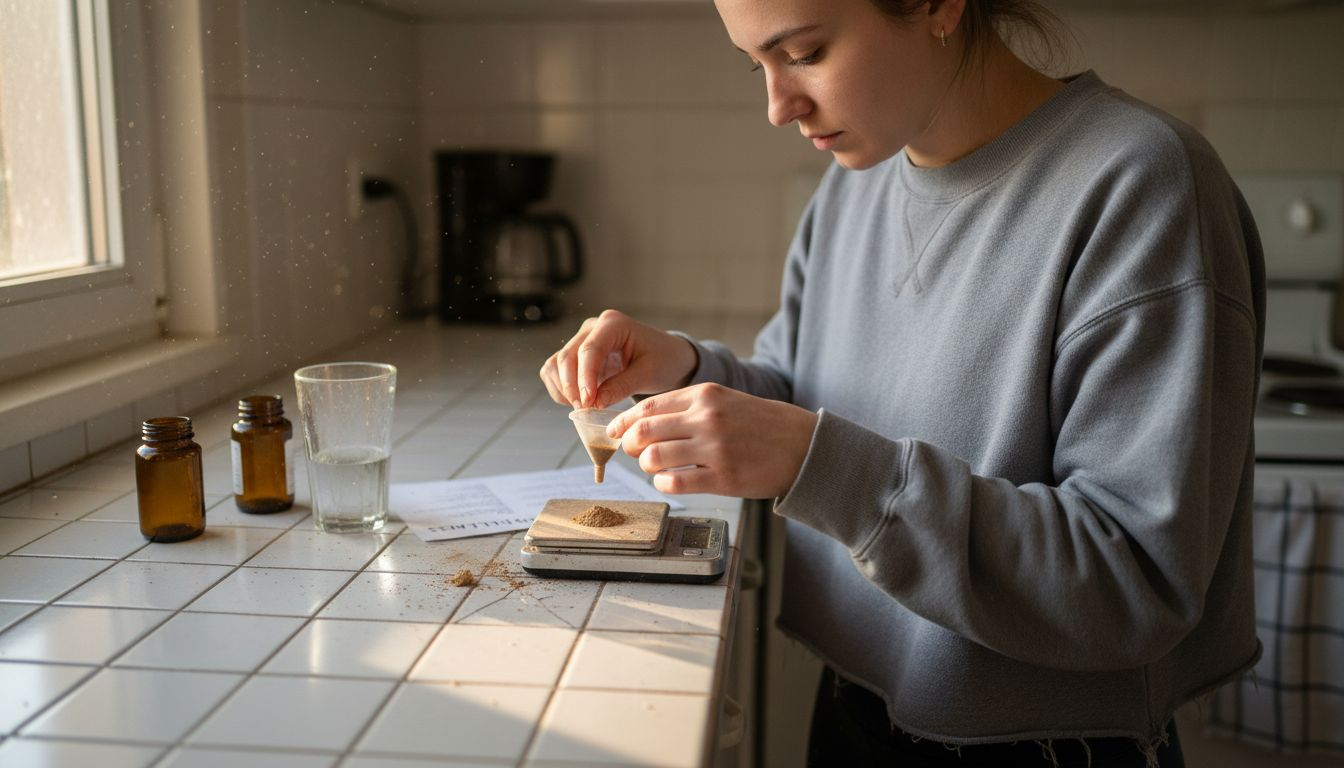
- Weigh doses with a precise digital scale, not visual estimation
- Document your experiences to track patterns and optimize protocols
- Connect with integration therapists or support groups
Spiritual and personal development benefits
Beyond symptom relief, dried psilocybin mushrooms catalyze profound spiritual and personal growth. Ego dissolution, a common effect during macrodoses, temporarily dissolves the boundary between self and environment. This experience often produces lasting shifts in perspective, reducing self-centeredness and increasing empathy.
Many users report feelings of interconnectedness with nature, other people, and the cosmos. These mystical-type experiences correlate with therapeutic outcomes. Studies show the intensity of mystical experience during sessions predicts long-term improvements in wellbeing and life satisfaction.
Enhanced emotional openness follows psilocybin sessions, with participants describing improved relationships and greater emotional authenticity. Rigid defensive patterns soften, allowing vulnerability and deeper connection. These shifts complement mental health improvements by addressing relational dimensions of wellbeing.
Spiritual growth and therapeutic healing intertwine rather than existing as separate domains. Many find that addressing existential questions, confronting mortality, or experiencing profound beauty during sessions reduces anxiety and depression more effectively than purely symptom-focused interventions.
Transformative effects include:
- Temporary ego dissolution creating perspective shifts
- Mystical experiences of unity and interconnectedness
- Increased life satisfaction and sense of meaning
- Enhanced emotional openness and relational depth
- Reduced fear of death and existential anxiety
Explore trusted psilocybin products and guides at 3 Amigos
Ready to explore therapeutic psilocybin use with confidence? 3 Amigos offers lab-tested microdose capsules that eliminate guesswork with standardized dosing, perfect for consistent therapeutic protocols. Each product undergoes rigorous quality testing to ensure you receive exactly what you expect.
Our comprehensive dosage guide helps you determine optimal amounts for your goals, whether microdosing for subtle support or planning transformative macrodose sessions. Dive deeper into psilocybin science and mental health applications through our educational resources designed for informed, safe exploration. Trust 3 Amigos to support your therapeutic journey with quality products and evidence-based guidance.
FAQ
Is using dried psilocybin mushrooms legal for therapy in 2026?
Legality varies significantly by jurisdiction. Some regions permit therapeutic use under special exemptions or clinical trial settings, while others maintain strict prohibition. Research your local laws and consult legal resources before proceeding. Understanding cultivation and legal contexts provides detailed information on navigating these complexities.
What is the difference in effects between microdosing and macrodosing dried mushrooms?
Microdosing produces subtle improvements in mood, creativity, and focus without noticeable perceptual changes. Macrodosing induces profound psychedelic experiences with intense visual alterations, emotional catharsis, and spiritual insights, suited for deep therapeutic work. Detailed comparisons of microdose vs macrodose approaches clarify which method aligns with your therapeutic goals.
How can I ensure the dried mushrooms I use are safe and effective?
Source products from reputable suppliers offering third-party lab testing to verify psilocybin content and absence of contaminants. Start with conservative doses and follow harm reduction protocols that emphasize safe environments, proper preparation, and integration support. Combining psilocybin use with therapy maximizes safety and therapeutic outcomes.
Can psilocybin mushrooms cause addiction or brain damage?
No. Research demonstrates psilocybin is non-toxic and non-addictive, with no physical dependence or neurotoxic effects. Instead, psilocybin promotes neuroplasticity and brain health through increased synaptic growth and neural network flexibility. Decades of propaganda created false associations with harm that scientific evidence conclusively refutes.
Recommended
- 6 Ways to Use Mushroom Edibles for Wellness and Growth
- Safe mushroom consumption workflow for mental health 2026
- Why Use Mushroom Gummies for Mental Wellness
- Melmac Mushrooms: A Deep Dive into Their Effects and Uses

Thomas Wrona is a writer, designer, and wellness coach who believes that nature’s wisdom provides an antidote to the stress of modern life. As a former pro athlete, he’s all about staying in motion! When he’s not writing you’ll probably find Thomas outside.