

Why choose psilocybin: benefits and science for wellbeing
Many people still think psilocybin is just a recreational drug, but science tells a different story. Research across Canada and beyond shows this compound offers powerful therapeutic benefits for depression, anxiety, and PTSD, along with personal development gains through microdosing. Whether you’re exploring mental health treatment or looking to enhance creativity and focus, understanding psilocybin’s mechanisms and safe use practices empowers informed decisions. This guide breaks down the brain science, clinical evidence, microdosing protocols, and safety considerations shaping psilocybin’s role in modern wellbeing.
Table of Contents
- Key takeaways
- How psilocybin works: brain science behind the benefits
- Therapeutic uses in Canada: clinical evidence and approved access
- Microdosing psilocybin: benefits, protocols, and current evidence
- Risks, contraindications, and safe use considerations
- Explore psilocybin products and resources with 3 Amigos
- FAQ
Key Takeaways
| Point | Details |
|---|---|
| Rapid therapeutic effects | Psilocybin activates serotonin 5HT2A receptors and alters brain connectivity to produce rapid mood improvements. |
| Neuroplasticity boost | It increases BDNF and promotes spinogenesis and synaptogenesis, supporting lasting neural changes after a single session. |
| Neuroinflammation reduction | By calming neuroinflammation in mood related brain regions, it creates conditions that support healing. |
| Canada access routes | In Canada, access is mainly through clinical trials and health exemptions rather than over the counter use. |
| Structured therapy model | Therapy is delivered as psilocybin assisted psychotherapy with preparation sessions, a monitored dosing session, and integration support. |
How psilocybin works: brain science behind the benefits
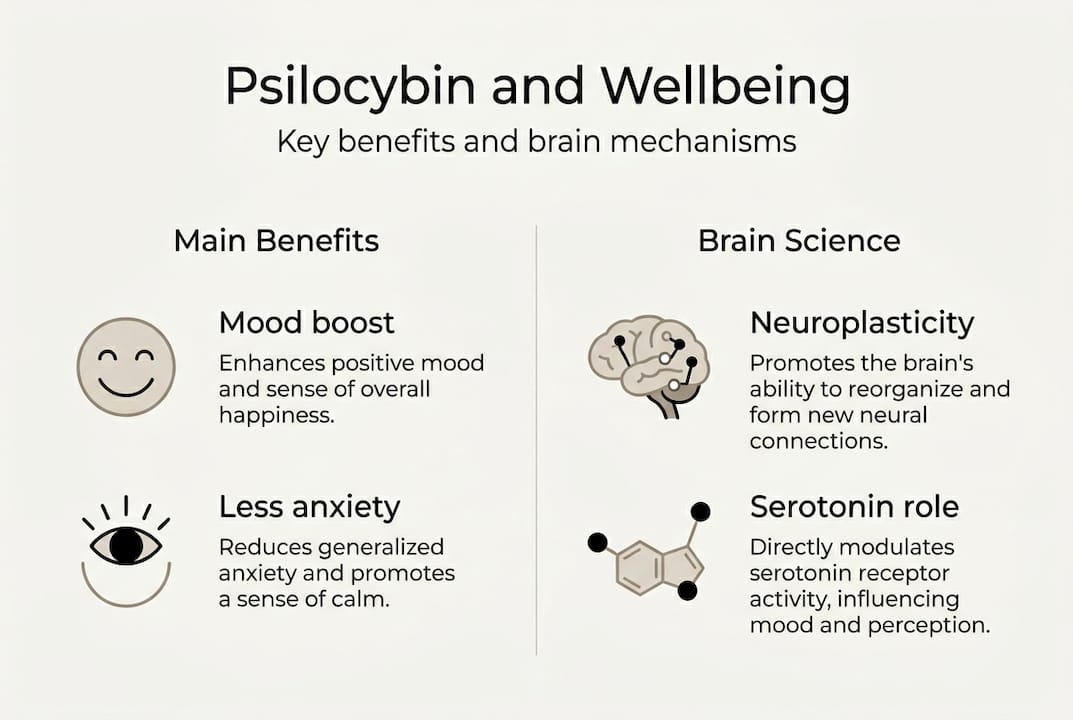
Psilocybin transforms into psilocin in your body, then activates serotonin 5-HT2A receptors throughout your brain. This receptor activation triggers a cascade of neurochemical changes that explain both the immediate experience and lasting therapeutic effects. Unlike traditional antidepressants that take weeks to work, psilocybin’s receptor binding creates rapid shifts in brain connectivity and function.
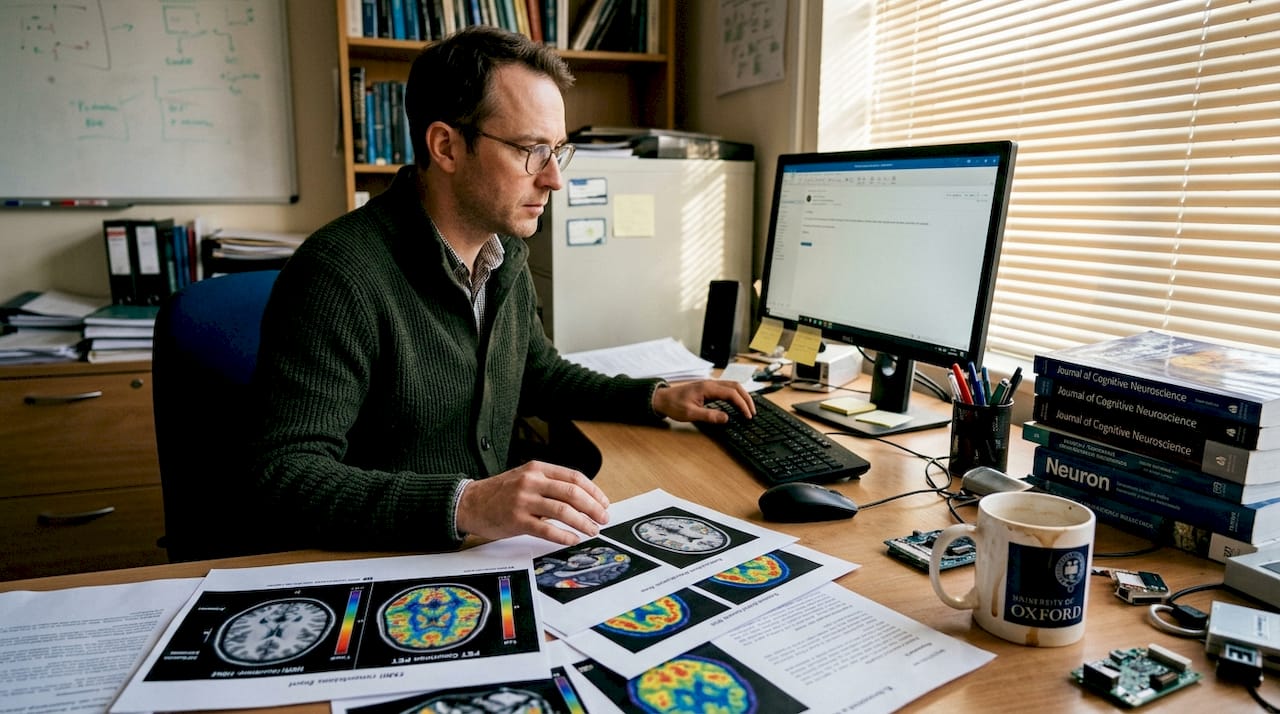
The compound reduces neuroinflammation, a key contributor to mood disorders that often goes unaddressed by conventional treatments. By calming inflammatory processes, psilocybin creates a biological environment where healing can occur. It also boosts production of brain-derived neurotrophic factor (BDNF), a protein essential for growing new neural connections and maintaining brain plasticity.
One of psilocybin’s most significant effects involves the default mode network, the brain system responsible for self-referential thinking and rumination. Overactivity in this network correlates with depression and anxiety, trapping people in negative thought loops. Psilocybin temporarily decreases this overactivity, allowing fresh perspectives and breaking rigid thought patterns.
The neuroplasticity boost extends beyond the acute experience. Research shows psilocybin promotes spinogenesis and synaptogenesis, the formation of new dendritic spines and synapses that enhance brain connectivity. These structural changes support improved mood regulation and cognitive flexibility lasting weeks or months after a single session.
Key brain mechanisms:
- Serotonin 5-HT2A receptor activation throughout cortical regions
- Reduced neuroinflammation in mood-regulating brain areas
- Increased BDNF production supporting neural growth
- Decreased default mode network hyperactivity
- Enhanced connectivity between previously disconnected brain regions
“Psilocybin’s ability to simultaneously reduce inflammation, boost neuroplasticity, and reset overactive rumination networks explains its rapid therapeutic effects where traditional treatments fail.”
These mechanisms work together, not in isolation. The anti-inflammatory effects create conditions for neuroplasticity, while reduced default mode activity allows new neural patterns to form. Understanding this science helps you appreciate why psilocybin shows promise for conditions resistant to conventional medication.
Therapeutic uses in Canada: clinical evidence and approved access
Canadian clinical trials use therapeutic doses ranging from 25mg to 35mg of pure psilocybin, equivalent to roughly 1-5g of dried mushrooms depending on potency. These aren’t casual experiences but structured medical interventions combining medication with psychological support. Psilocybin-assisted psychotherapy involves preparatory sessions where therapists help you set intentions, the dosing session itself with professional monitoring, and integration sessions processing insights afterward.
The clinical results prove compelling. Studies document rapid, sustained symptom reductions in treatment-resistant depression, with many participants experiencing relief within days rather than the weeks or months traditional antidepressants require. End-of-life distress trials show similar promise, helping terminal patients find peace and meaning in their remaining time. PTSD research demonstrates psilocybin’s ability to help people process traumatic memories without overwhelming emotional flooding.
Health Canada’s Special Access Program provides legal pathways for therapeutic psilocybin use outside clinical trials. Recent data shows the program approved 78% of requests, mostly for treatment-resistant depression and end-of-life psychological distress. This approval rate reflects growing institutional acceptance of psilocybin’s therapeutic potential backed by accumulating evidence.
| Therapeutic application | Typical dose | Session structure | Evidence strength |
|---|---|---|---|
| Treatment-resistant depression | 25-35mg psilocybin | 3 prep + dosing + 3 integration | Strong, multiple RCTs |
| End-of-life anxiety | 25-30mg psilocybin | 2 prep + dosing + 2 integration | Strong, consistent results |
| PTSD | 25-35mg psilocybin | 3-4 prep + dosing + 4-6 integration | Emerging, promising signals |
| Addiction treatment | 30-35mg psilocybin | 4 prep + dosing + 6 integration | Moderate, ongoing trials |
The therapeutic model emphasizes set and setting: your mindset going in and the physical/social environment during the experience. Licensed therapists create safe, comfortable spaces and provide emotional support throughout. This professional context maximizes benefits while minimizing risks, distinguishing medical use from recreational consumption.
Pro Tip: Working with licensed therapists trained in psychedelic-assisted therapy optimizes both safety and therapeutic outcomes. Their expertise in navigating challenging moments and facilitating integration makes the difference between a transformative experience and a confusing one.
Accessing therapeutic psilocybin in Canada currently requires participation in clinical trials, Special Access Program approval, or Section 56 exemptions for compassionate use. The landscape continues evolving as evidence accumulates and regulatory frameworks adapt. Finding qualified providers through resources like a psychedelic therapy directory helps navigate available options.
Microdosing psilocybin: benefits, protocols, and current evidence
Microdosing involves taking sub-perceptual amounts of psilocybin, typically 0.1g to 0.5g of dried mushrooms, to gain subtle benefits without hallucinogenic effects. You continue normal daily activities while potentially experiencing enhanced creativity, focus, mood, and productivity. This practice has exploded in popularity among professionals, artists, and people seeking personal development tools.
Reported benefits extend across cognitive and emotional domains. Users describe improved wellbeing on dosing days, with enhanced creative problem-solving, increased focus on tasks, better mood regulation, and heightened sensory appreciation. Many report improved social connection and reduced anxiety in interpersonal situations. The effects remain subtle, a gentle lift rather than an overwhelming shift.
Common protocols structure dosing to prevent tolerance and maintain benefits:
- Fadiman protocol: Dose every third day (day 1 dose, days 2-3 off, repeat)
- Stamets stack: Microdose psilocybin with lion’s mane and niacin for enhanced neuroplasticity
- Intuitive dosing: Take microdoses as needed based on personal schedule and needs
- Two days on, two days off: Alternative rhythm some users prefer
The scientific evidence remains mixed but increasingly promising. Most studies rely on self-reported data, which shows consistent benefits but lacks placebo controls. Recent placebo-controlled trials produce mixed results, with some showing genuine effects beyond expectation and others suggesting placebo plays a significant role. The truth likely sits in the middle: real neurobiological effects enhanced by positive expectations.
| Aspect | Microdosing (0.1-0.5g) | Macrodosing (1-5g) |
|---|---|---|
| Primary goal | Daily enhancement, productivity | Therapeutic breakthrough, mystical experience |
| Perceptual effects | None to barely noticeable | Significant visual and cognitive alterations |
| Session intensity | Continue normal activities | Dedicated 4-8 hour experience |
| Frequency | 1-3 times weekly | Once every few weeks to months |
| Professional supervision | Optional, self-directed | Strongly recommended, often required |
| Evidence base | Emerging, mostly observational | Strong, multiple controlled trials |
Pro Tip: Microdosing requires attention to dose consistency and personal screening for contraindications. Start at the lower end (0.1g) and adjust gradually. Keep a journal tracking effects, mood, and productivity to identify your optimal dose and schedule.
The benefits of consistent microdosing accumulate over weeks of practice. Many people find their sweet spot after experimenting with different doses and protocols. Understanding why people microdose helps set realistic expectations: subtle enhancement rather than dramatic transformation, though cumulative effects can prove significant.
Risks, contraindications, and safe use considerations
Psilocybin carries real risks requiring honest assessment before use. Bad trips involving overwhelming fear, paranoia, or disturbing visions can occur, especially at higher doses or in unsupportive settings. Some people experience prolonged psychological effects lasting days or weeks, including anxiety, depersonalization, or mood disturbances. Hallucinogen persisting perception disorder (HPPD), where visual disturbances continue long after use, affects a small percentage of users.
Certain mental health conditions create absolute contraindications. Individuals with schizophrenia history or first-degree relatives with psychotic disorders should avoid psilocybin due to psychosis risk. Bipolar disorder presents similar concerns, as psilocybin can trigger manic episodes. Personal and family psychiatric history screening proves essential before considering use.
Medication interactions require careful attention:
- SSRIs and SNRIs: Reduce psilocybin effects, potentially requiring higher doses and increasing risks
- MAOIs: Dangerous interaction causing serotonin syndrome, potentially life-threatening
- Lithium: Severe interaction risk including seizures
- Tramadol and other serotonergic drugs: Increased serotonin syndrome risk
Transient side effects commonly include nausea (especially during onset), headache, increased heart rate and blood pressure, anxiety during come-up, and temporary confusion or disorientation. These typically resolve as effects wear off but can prove uncomfortable, particularly for first-time users.
“Proper screening for contraindications, careful attention to set and setting, and professional guidance in therapeutic contexts transform psilocybin from a risky gamble into a calculated tool for healing and growth.”
Safe use requires multiple layers of protection. Start with thorough screening for personal and family psychiatric history, current medications, and physical health conditions. Create supportive set and setting: comfortable environment, trusted companions or professional supervision, cleared schedule without obligations. For therapeutic doses, work with trained professionals who can navigate challenging moments and facilitate integration.
Understanding psilocybin safety protocols and following safe usage guidelines minimizes risks while maximizing potential benefits. The compound demands respect, preparation, and honest self-assessment. When approached thoughtfully with appropriate safeguards, psilocybin’s therapeutic potential outweighs risks for many people.
Explore psilocybin products and resources with 3 Amigos
Ready to explore psilocybin’s benefits safely and effectively? 3 Amigos offers carefully crafted products and trusted educational resources supporting your journey. Our microdosing capsules provide consistent, measured doses eliminating guesswork and ensuring reliable effects for your daily enhancement practice.
Deepen your understanding of psilocybin’s therapeutic applications through evidence-based guides connecting scientific research to practical use. Explore detailed explanations of how psilocybin works in your brain to produce its remarkable effects. We’re committed to supporting responsible exploration with quality products, transparent information, and genuine care for your wellbeing journey.
FAQ
Is psilocybin legal to use in Canada?
Psilocybin remains a controlled substance under Canadian law, making possession and use generally illegal. However, legal access exists through clinical trials, Health Canada’s Special Access Program for therapeutic use, and Section 56 exemptions for end-of-life care. The legal landscape continues evolving as scientific evidence grows and regulatory frameworks adapt to therapeutic applications.
What’s the difference between microdosing and macrodosing psilocybin?
Microdosing uses sub-perceptual amounts (0.1-0.5g dried mushrooms) for subtle daily benefits like enhanced focus and creativity without hallucinogenic effects. Macrodosing involves therapeutic doses (1-5g) producing significant perceptual changes and deep psychological experiences. Microdosing supports ongoing enhancement, while macrodosing targets breakthrough therapeutic moments requiring professional support.
Are there any risks or side effects to consider?
Yes, risks include bad trips, prolonged psychological effects, and rare cases of HPPD. People with personal or family history of psychosis or bipolar disorder should avoid psilocybin. Dangerous interactions occur with MAOIs, lithium, and some antidepressants. Common side effects include nausea, headache, and temporary anxiety. Proper screening and safety protocols minimize these risks significantly.
How long do psilocybin’s therapeutic effects last?
Acute effects from therapeutic doses last 4-6 hours, but psychological and neurobiological benefits often persist for weeks or months. Clinical studies show sustained depression relief lasting 3-12 months after single sessions with proper integration support. Microdosing effects are immediate but subtle, with cumulative benefits building over consistent practice. Individual responses vary based on dose, context, and personal factors.
Can I combine psilocybin with other wellness practices?
Yes, psilocybin often complements meditation, therapy, journaling, and other personal development practices. Many people find it enhances their existing wellness routines by providing fresh perspectives and breaking rigid patterns. However, avoid combining with other psychoactive substances without professional guidance. Integration practices following psilocybin experiences help translate insights into lasting behavioral changes and personal growth.
Recommended
- Psilocybin science explained: unlock mental health benefits
- Why use psilocybin: benefits, science & safe access
- The Benefits of Microdosing Psilocybin Capsules Daily
- Psilocybin Research Explained: Mental Health Impacts

Thomas Wrona is a writer, designer, and wellness coach who believes that nature’s wisdom provides an antidote to the stress of modern life. As a former pro athlete, he’s all about staying in motion! When he’s not writing you’ll probably find Thomas outside.