

Step-by-step mushroom safety guide for Canadians 2026
Psilocybin mushrooms offer profound experiences, but they come with serious risks. Possession and sale are illegal without Health Canada authorization, and misidentification can be fatal. Over 7,000 mushroom poisoning cases occur annually in North America, with deadly look-alikes claiming lives each year. This guide walks you through identification, preparation, consumption protocols, and emergency response to help you navigate psilocybin use as safely as possible in Canada’s complex legal and health landscape.
Table of Contents
- Understanding Mushroom Risks And Legal Context
- Preparing For Safe Psilocybin Use: Identification And Equipment
- Step-By-Step Safety Protocols For Mushroom Consumption
- Recognizing Adverse Symptoms And What To Do Next
- Explore Safe Psilocybin Products And Resources With 3 Amigos
Key takeaways
| Point | Details |
|---|---|
| Legal status | Magic mushrooms remain illegal in Canada without special authorization from Health Canada |
| Identification risks | Hundreds of psilocybin species exist with deadly look-alikes requiring expert verification |
| Safety protocols | Stepwise preparation, controlled setting, and measured dosing reduce harm significantly |
| Therapeutic context | Clinical protocols include preparatory sessions, trusted guides, and integration support |
| Emergency response | Delayed symptoms beyond six hours require immediate medical care to prevent fatality |
Understanding mushroom risks and legal context
Before you consider any psilocybin use, you need to understand what you’re facing legally and medically. Magic mushrooms are illegal in Canada without authorization, meaning possession, sale, or consumption can result in criminal charges unless you have a special exemption. Health Canada grants these exemptions primarily for approved clinical trials or compassionate access cases, not recreational use.
The health risks go beyond legal consequences. Psilocybin triggers intense hallucinations, altered perception, and psychological effects that can last hours. Common adverse reactions include severe anxiety, paranoia, nausea, and in vulnerable individuals, triggering of underlying mental health conditions. These effects vary wildly based on dose, individual biology, and environmental factors.
Misidentification poses the deadliest threat. The Death Cap mushroom causes over 90% of mushroom poisoning deaths globally, and it can resemble edible species to untrained eyes. Other toxic look-alikes include Destroying Angels and False Morels, all of which grow in Canadian ecosystems. A single mistake in identification can destroy your liver and kidneys before symptoms even appear.
Mushroom poisoning follows different timelines that signal severity:
- Early onset symptoms (within two hours) typically cause gastrointestinal distress, sweating, and confusion but rarely prove fatal
- Delayed onset symptoms (six hours or more) often indicate deadly toxins attacking organs and require immediate emergency intervention
- Intermediate symptoms may include muscle weakness, excessive salivation, or visual disturbances depending on the toxin type
“The latency period between ingestion and symptom onset determines survival rates. Delayed symptoms almost always mean severe poisoning requiring aggressive hospital treatment.”
If you experience any symptoms after consuming wild mushrooms, seek medical attention immediately. Bring samples of what you consumed if possible. Doctors need to identify the specific toxin to provide effective treatment, and time is critical for psilocybin safety protocols in Canada. Never wait to see if symptoms improve on their own, as organ damage progresses silently while you delay care.
Preparing for safe psilocybin use: Identification and equipment
Proper preparation starts long before you consume anything. Identification of psilocybin mushrooms is complex because hundreds of species exist, many sharing visual traits with toxic varieties. You need systematic tools and knowledge to reduce risks.
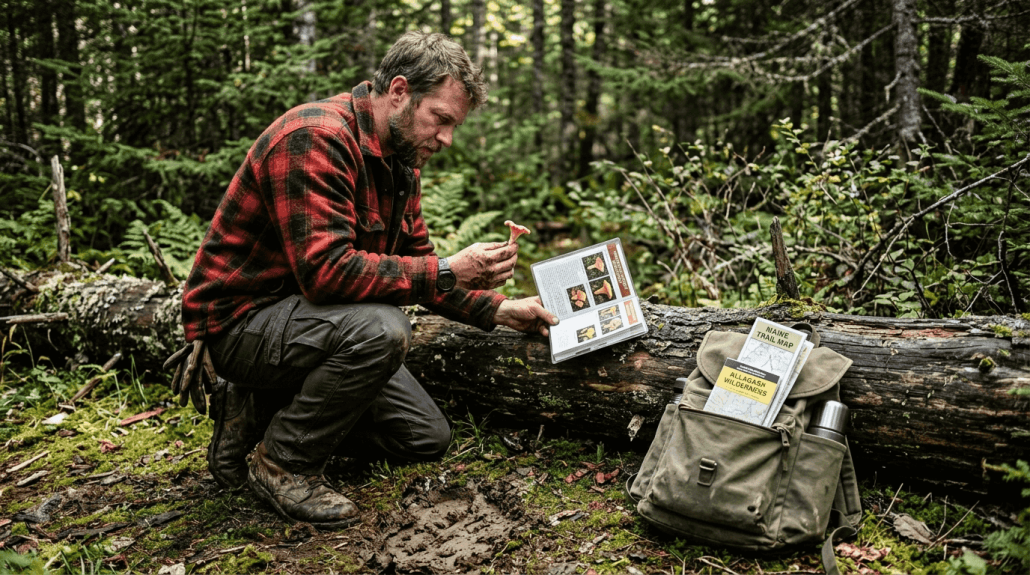
Psilocybin mushrooms typically share certain characteristics. Most bruise blue when handled due to psilocin oxidation. They often have dark purple-brown spore prints, gills that range from gray to black, and grow in specific habitats like cow pastures or decaying wood. However, these traits alone are never definitive. Toxic species can mimic these features closely enough to fool even experienced foragers.

Essential preparation tools and criteria:
| Tool/Criterion | Purpose | Notes |
|---|---|---|
| Field guide specific to your region | Provides visual references and habitat details | Choose guides with clear photos and spore print images |
| Hand lens or magnifying glass | Examines gill attachment and cap texture | 10x magnification minimum for detail work |
| Sharp knife and basket | Collects samples without contamination | Avoid plastic bags that cause specimens to deteriorate |
| Spore print materials | Confirms species through spore color | Use white and black paper to see prints clearly |
| Gloves and protective gear | Prevents skin contact with unknown toxins | Nitrile gloves work better than latex for durability |
| Natural lighting conditions | Reveals true colors without artificial distortion | Photograph specimens outdoors in diffused sunlight |
When you attempt identification, work methodically. Examine the cap shape, gill structure, stem characteristics, and bruising patterns. Take spore prints by placing the cap gill-side down on paper for several hours. Compare every detail against multiple trusted sources, not just one field guide or online photo.
Pro Tip: Always have at least two expert mycologists or experienced foragers independently verify your identification before consuming any wild mushroom. One confirmation is never enough when your life depends on accuracy.
Even with perfect identification skills, sourcing remains problematic in Canada’s legal environment. Wild foraging carries contamination risks from pesticides, heavy metals, or animal waste. Purchasing from unauthorized dealers means zero quality control or species verification. The safest approach involves waiting for legal access through approved channels or clinical programs, though this limits availability significantly.
For those proceeding despite risks, document everything. Photograph specimens from multiple angles, note the exact location and habitat, record weather conditions, and preserve samples. This documentation becomes critical if poisoning occurs and medical teams need to identify the toxin. The safe mushroom consumption workflow emphasizes this preparation phase as non-negotiable for harm reduction.
Step-by-step safety protocols for mushroom consumption
Once you have verified psilocybin mushrooms through multiple expert confirmations, consumption protocols become your next critical defense against harm. These steps apply whether you’re using mushrooms recreationally or in a therapeutic context.
-
Source verification and quality assessment: Only consume mushrooms you have personally identified and had verified by at least two independent experts, or obtain them through authorized medical channels if available. Inspect for mold, contamination, or degradation. Discard any specimens showing unusual colors, odors, or textures.
-
Dose calculation and measurement: Start with the lowest effective dose, typically 0.5 to 1 gram of dried mushrooms for beginners. Use a precise digital scale accurate to 0.1 grams. Account for potency variations between species and individual specimens. Never estimate doses by eye or volume.
-
Set and setting preparation: Choose a comfortable, familiar environment free from external stressors or interruptions. Clinical safety protocols include preparatory sessions to establish intentions and address psychological readiness. Have a trusted, sober trip sitter present who can provide reassurance and emergency assistance.
-
Consumption method and timing: Eat mushrooms on an empty or light stomach to reduce nausea and ensure consistent absorption. Chew thoroughly or brew into tea for faster onset. Never inject magic mushrooms intravenously as this causes severe infections and organ damage.
-
Monitoring and support during experience: Effects typically begin within 20 to 40 minutes and peak around two hours. Your sitter should check in regularly without being intrusive. Have water, light snacks, and comfort items like blankets available. Avoid mixing with alcohol, cannabis, or other substances.
-
Emergency preparedness: Keep emergency contact numbers immediately accessible, including poison control and nearby hospitals. Your sitter should know your medical history, allergies, and medications. Establish clear signals for when you need help versus when you want space.
Pro Tip: Create a curated music playlist, use eye masks to enhance introspection, and schedule integration sessions with a therapist or guide within days of your experience to process insights and maintain psychological stability.
Therapeutic contexts add additional layers. Professional psilocybin therapy involves extensive screening to exclude individuals with schizophrenia risk, severe cardiovascular conditions, or medication contraindications. Therapists conduct multiple preparatory sessions to build trust, establish intentions, and teach coping strategies for challenging moments. Post-session integration helps translate insights into lasting behavioral changes.
“The difference between recreational and therapeutic use lies not in the substance but in the structure surrounding it. Preparation, professional guidance, and integration transform psilocybin from a recreational drug into a therapeutic tool.”
The psilocybin experience step-by-step guide provides deeper frameworks for maximizing benefits while minimizing psychological risks. Remember that even perfect protocols cannot eliminate all dangers. Psilocybin remains unpredictable, and individual reactions vary based on genetics, mental state, and countless other factors beyond your control.
Recognizing adverse symptoms and what to do next
Knowing when something goes wrong can save your life. Psilocybin experiences naturally include intense emotions, perceptual shifts, and physical sensations, but certain symptoms signal serious problems requiring immediate intervention.
Early onset symptoms appear within two hours of consumption. These typically include nausea, vomiting, sweating, dilated pupils, increased heart rate, and anxiety or panic. While uncomfortable, these reactions usually indicate psilocybin’s expected effects rather than poisoning. However, severe chest pain, difficulty breathing, seizures, or loss of consciousness at any point demand emergency medical attention regardless of timing.

Delayed onset symptoms emerging six hours or more after consumption are far more dangerous. These often indicate deadly poisoning from misidentified toxic species. Warning signs include severe abdominal pain, persistent vomiting, bloody diarrhea, yellowing skin or eyes (jaundice), confusion or delirium, and decreased urination. These symptoms mean toxins are attacking your liver, kidneys, or nervous system.
Symptom comparison and response guide:
| Symptom Type | Onset Timing | Severity Level | Recommended Action |
| — | — | — | |
| Nausea, anxiety, sweating | Under 2 hours | Low to moderate | Monitor closely, provide comfort and reassurance |
| Intense fear, paranoia | Under 2 hours | Moderate | Calm environment, grounding techniques, sitter support |
| Chest pain, breathing difficulty | Any time | High | Call emergency services immediately |
| Vomiting, abdominal pain | 6+ hours | Critical | Emergency room visit, bring mushroom samples |
| Jaundice, confusion, bloody stool | 6+ hours | Life-threatening | Immediate hospital admission for toxin treatment |
When you suspect poisoning, take these immediate steps:
- Call your local poison control center or emergency services without delay
- Provide detailed information about what was consumed, how much, and when
- Bring samples of the mushrooms if available for expert identification
- Do not induce vomiting unless specifically instructed by medical professionals
- Stay with the affected person and monitor vital signs until help arrives
Pro Tip: Never attempt home remedies or wait to see if symptoms improve on their own. Mushroom toxins cause irreversible organ damage while you delay treatment, and rapid professional intervention dramatically improves survival rates.
Some poisonings follow a deceptive pattern. Initial symptoms appear, seem to resolve after 12 to 24 hours, then return with devastating force as organ failure progresses. This false recovery period tricks people into thinking they’re fine when they’re actually dying. Any mushroom consumption followed by gastrointestinal symptoms requires medical evaluation, even if you feel better later.
Psychological adverse reactions also require appropriate responses. Severe panic attacks, psychotic breaks, or suicidal ideation during or after psilocybin use need psychiatric intervention. These reactions can persist for days or weeks in vulnerable individuals. Having mental health resources identified beforehand, including crisis hotlines and emergency psychiatric services, prepares you for worst-case scenarios.
The safe purchase of magic mushrooms in Canada through verified sources eliminates species misidentification risks, though legal restrictions make this challenging. Understanding symptom timelines and emergency protocols gives you the best chance of surviving mistakes or unexpected reactions.
Explore safe psilocybin products and resources with 3 Amigos
Navigating psilocybin safety becomes easier when you have access to verified products and expert educational resources. 3 Amigos specializes in providing Canadians with quality-controlled psilocybin options that eliminate identification risks and contamination concerns.

Our microdosing capsules offer precise dosing for those exploring sub-perceptual benefits without the intensity of full experiences. Each batch undergoes rigorous quality testing to ensure purity and potency consistency. We also provide comprehensive guides on psilocybin science and mental health benefits, helping you make informed decisions based on current research rather than speculation. For those interested in therapeutic applications, our educational content covers preparation protocols, integration strategies, and harm reduction practices grounded in clinical evidence. Explore our resources to deepen your understanding and access products that prioritize your safety and wellbeing.
FAQ
Is it legal to possess or consume psilocybin mushrooms in Canada in 2026?
No, psilocybin mushrooms remain illegal in Canada unless you have specific authorization from Health Canada. Legal access exists primarily through approved clinical trials, special access programs for terminal illness, or exemptions granted for specific therapeutic purposes. Recreational possession, sale, or consumption can result in criminal charges including fines and imprisonment.
How can I safely identify psilocybin mushrooms to avoid poisoning?
Misidentification is common and potentially fatal due to toxic look-alikes that share visual traits with psilocybin species. Never rely solely on visual characteristics like bruising or gill color. Always consult at least two independent mycology experts for verification before consuming any wild mushroom. Use detailed field guides specific to Canadian ecosystems, take spore prints, and photograph specimens from multiple angles. When in doubt, do not consume. The safe consumption workflow emphasizes expert verification as non-negotiable.
What should I do if I experience mushroom poisoning symptoms?
Delayed symptoms require immediate emergency care as they often indicate life-threatening toxins attacking your organs. Call poison control or emergency services immediately if symptoms appear six hours or more after consumption, or if you experience severe abdominal pain, bloody vomit or stool, jaundice, confusion, or breathing difficulties at any time. Bring mushroom samples to the hospital for identification. Do not attempt home remedies or wait to see if symptoms improve, as organ damage progresses rapidly without treatment.
What dose should beginners start with for psilocybin mushrooms?
Beginners should start with 0.5 to 1 gram of dried psilocybin mushrooms to assess individual sensitivity and response. Use a precise digital scale for measurement, as potency varies significantly between species and individual specimens. Never estimate doses visually. Have a sober trip sitter present, choose a comfortable setting, and avoid mixing with other substances. Clinical therapeutic protocols typically use higher doses (2 to 3.5 grams) but only under professional supervision with extensive preparation.
Can I use psilocybin mushrooms if I have a history of mental health conditions?
Individuals with personal or family history of schizophrenia, bipolar disorder, or psychotic disorders should avoid psilocybin due to risks of triggering severe psychiatric episodes. Those with depression, anxiety, or PTSD may benefit therapeutically but only under professional guidance with proper screening and support. Certain medications, particularly SSRIs and MAOIs, interact dangerously with psilocybin. Always consult qualified healthcare providers before using psilocybin if you have any mental health history or take psychiatric medications.
Recommended
- How to Make Magic Mushroom Chocolate: A Guide for Beginners
- A Beginner’s Guide to Ordering Magic Mushrooms Online in Alberta
- Mushroom Harm Reduction Workflow for Safe Use
- Cooking Recipes With Magic Mushrooms to Try Now | 3 Amigos

Thomas Wrona is a writer, designer, and wellness coach who believes that nature’s wisdom provides an antidote to the stress of modern life. As a former pro athlete, he’s all about staying in motion! When he’s not writing you’ll probably find Thomas outside.


