

Microdosing psychedelics: benefits, risks & safe access
TL;DR:
- Microdosing involves taking small doses of psychedelics to subtly enhance mood and focus.
- Scientific evidence for cognitive and mental health benefits remains inconclusive and heavily influenced by placebo.
- Risks include anxiety, blood pressure changes, and severe effects for those with mental or cardiac conditions; safety and legality vary.
Psychedelic microdosing has become one of the most talked-about topics in Canadian wellness circles, and for good reason. Thousands of people report improvements in mood, focus, and creativity after taking tiny, sub-hallucinogenic doses of psilocybin or LSD. But here’s what most blog posts skip over: the gap between what users say they feel and what controlled clinical research actually confirms is enormous. This article breaks down exactly what microdosing is, what science supports, what risks you need to know, and how Canadians can pursue this practice as safely and legally as possible.
Table of Contents
- What is psychedelic microdosing?
- Reported benefits versus scientific evidence
- Risks, side effects, and safety tips
- Canadian legal status and pathways to safe access
- A fresh perspective on microdosing: What most guides miss
- Explore safe, informed microdosing options with 3 Amigos
- Frequently asked questions
Key Takeaways
| Point | Details |
|---|---|
| Sub-hallucinogenic dosing | Microdosing uses very small amounts of psychedelics to avoid full-blown perceptual effects. |
| Benefits still debated | Self-reports are positive, but major studies show placebo effects or modest results. |
| Real health risks exist | Physical and psychological side effects are possible and often overlooked by newcomers. |
| Legal risks in Canada | Only approved exemptions and clinical trials allow psilocybin use legally and safely. |
| Safety comes first | Start low, avoid risky health conditions, and use reliable resources if considering microdosing. |
What is psychedelic microdosing?
Microdosing means taking a very small fraction of a psychedelic substance, typically about 1/10 to 1/20 of a standard recreational dose. The goal is simple: experience the potential mental benefits without the full-blown psychedelic effects. No visuals. No ego dissolution. Just a subtle, functional shift in how you think and feel throughout the day.
The two most commonly used substances are psilocybin mushrooms and LSD. Typical amounts fall between 0.1 and 0.5 grams of dried psilocybin mushrooms or 5 to 20 micrograms of LSD. Both are considered sub-perceptual, meaning most people go about their workday without anyone noticing anything unusual.
So why has microdosing captured so much attention in Canada? A few reasons stand out:
- Mental health interest: Many Canadians struggle with anxiety, depression, and burnout. Conventional treatments don’t work for everyone, so alternative options attract real curiosity.
- Productivity culture: Tech workers, artists, and entrepreneurs have popularized microdosing as a cognitive edge tool.
- Personal growth: People exploring self-awareness, emotional regulation, and creativity see psilocybin as a tool for intentional development.
- Low perceived risk: Because doses are tiny, many assume the risk is negligible. (Spoiler: that’s not entirely accurate.)
Here’s a quick breakdown of how microdosing compares to a full psychedelic experience:
| Factor | Microdose | Full dose |
|---|---|---|
| Psilocybin amount | 0.1–0.5g dried | 2–5g dried |
| Duration | 4–6 hours | 4–8 hours |
| Hallucinations | None | Yes |
| Functional impairment | Minimal | Significant |
| Goal | Mood, focus, creativity | Deep experience |
Part of what makes microdosing so appealing is that it fits into daily life. Users often follow structured schedules, like one day on, two days off, to prevent tolerance buildup. The microdosing wellness science around these protocols is still evolving, but the structure itself reflects a thoughtful approach to self-experimentation.
Reported benefits versus scientific evidence
Here’s where things get complicated. Ask a long-term microdoser about their experience and you’ll likely hear about better focus, emotional resilience, reduced anxiety, and even relief from chronic pain. Survey data paints a consistent picture of self-reported gains. But ask a neuroscientist the same question and the answer gets much more cautious.

Self-reported wellbeing gains are common in observational studies, but meta-analyses and controlled trials reveal no consistent cognitive benefit and in some cases suggest reduced cognitive control. That’s a significant disconnect.
What people say microdosing does:
- Improves mood and emotional stability
- Boosts creative thinking and lateral problem-solving
- Sharpens focus without the jitteriness of stimulants
- Reduces anxiety and depression symptoms
- Increases sense of flow and presence
What controlled research actually confirms:
| Claimed benefit | Research status |
|---|---|
| Improved mood | Mixed; placebo effect likely significant |
| Cognitive enhancement | Not confirmed in double-blind studies |
| Creativity boost | Anecdotal; no consistent lab evidence |
| Anxiety reduction | Some signal, but inconsistent results |
| Pain relief | Early-stage research only |
The placebo effect here is powerful, especially for people who already believe in psychedelics. When you expect to feel more creative and focused, you often do, regardless of whether the substance is doing anything measurable. Exploring the benefits of microdosing capsules is worthwhile, but going in with honest expectations matters just as much.
There’s also emerging interest in microdosing for pain relief, and while anecdotal reports are promising, the clinical picture remains early-stage. For a broader look at where expert views on microdosing currently stand, the honest answer is: promising but unproven.
The bottom line is that we need longer, larger, and more rigorous studies before making strong claims. Right now, the gap between the hype and the hard data is wide.
Risks, side effects, and safety tips
Let’s be direct: microdosing is not without risk. Because doses are small, people often assume it’s harmless. That assumption can cause real problems.
Common side effects, especially when starting out, include:
- Anxiety or heightened nervousness
- Headaches
- Nausea
- Changes in blood pressure
- Difficulty sleeping if dosed too late in the day
- Emotional amplification (things feel more intense, good or bad)
- Mild cognitive fog on dosing days
Acute side effects like anxiety, blood pressure changes, nausea, and headaches are well-documented, and risks increase significantly for people with schizophrenia or bipolar disorder. This is not a substance to experiment with casually if you have a psychiatric history.
“Microdosing is not a wellness supplement. It’s a pharmacologically active substance that interacts with your brain’s serotonin system. Treating it like a vitamin is a mistake.”
Special populations face heightened risks, particularly those with cardiac conditions or anyone taking SSRIs (selective serotonin reuptake inhibitors). Combining psilocybin with SSRIs can blunt effects or, in some cases, cause serotonin-related complications. Always start with the lowest possible dose and track your response carefully.
Who should NOT microdose:
- Pregnant or breastfeeding individuals
- Anyone with a personal or family history of psychosis, schizophrenia, or bipolar disorder
- People with serious cardiac disease
- Those currently taking SSRIs or MAOIs (monoamine oxidase inhibitors)
- Individuals under 25, as the brain is still developing
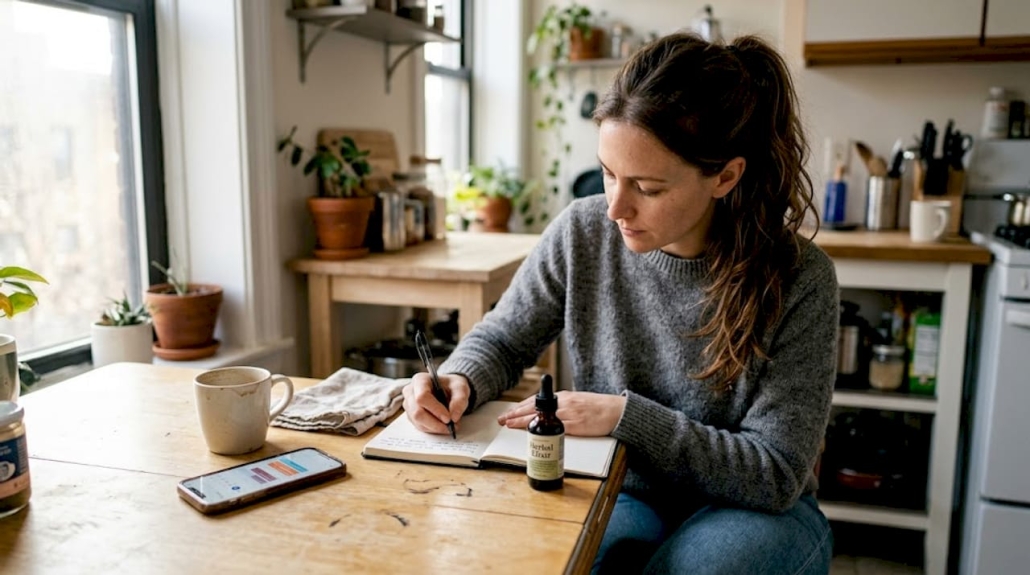
Pro Tip: Keep a daily journal during your microdosing protocol. Track mood, sleep, productivity, and any side effects. This gives you real data instead of relying on vague impressions, and helps you know when to pause.
Long-term effects of microdosing are still largely unknown. The responsible approach is to use structured protocols with regular breaks, follow safe psilocybin use guidelines, and treat any concerning symptoms as a clear signal to stop.

Canadian legal status and pathways to safe access
Here’s the reality that many microdosing enthusiasts quietly ignore: psilocybin and LSD are Schedule III controlled substances in Canada. Possessing, producing, or distributing them without authorization is illegal under the Controlled Drugs and Substances Act.
That said, the legal landscape is shifting. Key points for Canadians to understand:
- Section 56 exemptions: Health Canada can grant individual exemptions for medical or scientific purposes. These are rare and require physician involvement.
- Clinical trials: Some Canadians can access psilocybin legally through approved research studies. These are the safest, most monitored option.
- Professional training exemptions: There’s a growing push to allow therapists and healthcare providers to receive psilocybin training. Health Canada must redetermine exemption requests in some cases, reflecting ongoing legal evolution.
- Unlicensed dispensaries: These operate in a legal gray zone. Product purity is unverified, and buying from them carries both legal and health risks.
Pro Tip: If you’re pursuing microdosing for therapeutic reasons, ask your doctor about clinical trial eligibility or physician-supervised exemptions. It takes more effort, but it’s the safest path.
For a fuller picture of where things stand, understanding psilocybin legality in Canada is essential reading. Many Canadians also wonder are mushrooms legal in Canada in everyday terms, and the short answer is: not without authorization. For those committed to safe psychedelic experiences, the legal pathway is narrow but growing.
Court decisions in 2025 and 2026 have continued to expand discussion around access, but no sweeping legalization has happened. Stay current with official Health Canada communications rather than social media rumors.
A fresh perspective on microdosing: What most guides miss
Most microdosing content falls into one of two camps: breathless enthusiasm or outright dismissal. Neither serves you well.
The honest picture is more nuanced. Popular media amplifies the productivity-boosting, creativity-unlocking narrative because it’s compelling. But that story often comes from a self-selected group of optimistic early adopters, not a representative sample. Many people try microdosing, feel nothing meaningful, and quietly stop. You don’t hear from them.
What concerns us more is the legal and quality risk that Canadian users face. An unlicensed product with unknown purity is not a minor issue. It’s a real safety concern that gets glossed over in the name of enthusiasm.
The future of microdosing in Canada belongs to rigorous psilocybin science and mental health research, clinical frameworks, and honest education. Not hype. Real progress will come from people who approach this with curiosity and caution in equal measure, not those chasing a productivity shortcut. If you’re genuinely interested, engage with the science, understand your legal options, and prioritize safety over convenience.
Explore safe, informed microdosing options with 3 Amigos
If you’re curious about microdosing and want to learn more from a source that takes both education and quality seriously, Three Amigos is built exactly for that. We offer carefully formulated psilocybin microdosing capsules alongside in-depth guides to help you make informed decisions, not impulsive ones.

Our educational resources walk you through protocols, safety considerations, and realistic expectations. Explore the microdosing capsules daily benefits guide to understand what consistent, evidence-aware microdosing can look like in practice. Your next step should be an informed one.
Frequently asked questions
What is the typical dose for psychedelic microdosing?
A standard microdose is 0.1 to 0.5g of dried psilocybin mushrooms or 5 to 20 micrograms of LSD, which is far below any hallucinogenic threshold.
Can you microdose legally in Canada?
Microdosing is illegal without a Section 56 exemption or participation in an approved clinical trial; unlicensed dispensaries carry both legal and product safety risks.
What are the main risks or side effects of microdosing?
Anxiety, nausea, headaches, and blood pressure changes are the most reported side effects, and these risks can become serious for people with underlying health conditions.
Who should avoid psychedelic microdosing?
Anyone with schizophrenia, bipolar disorder, cardiac disease, or those taking SSRIs should avoid microdosing, as special populations face significantly elevated risks.
Does microdosing really boost creativity or mental health?
Many users believe it does, but controlled studies have not confirmed consistent cognitive or mental health gains, and placebo effects appear to play a major role.
Recommended
- Microdosing for Wellness: What Science Says in 2026
- Why Microdose Shrooms: Unlocking Focus and Wellbeing
- Microdose vs. Macrodose: Understanding the Key Differences in Psychedelic Use | 3 Amigos Mushrooms
- Why use psilocybin: benefits, science & safe access

Thomas Wrona is a writer, designer, and wellness coach who believes that nature’s wisdom provides an antidote to the stress of modern life. As a former pro athlete, he’s all about staying in motion! When he’s not writing you’ll probably find Thomas outside.


