

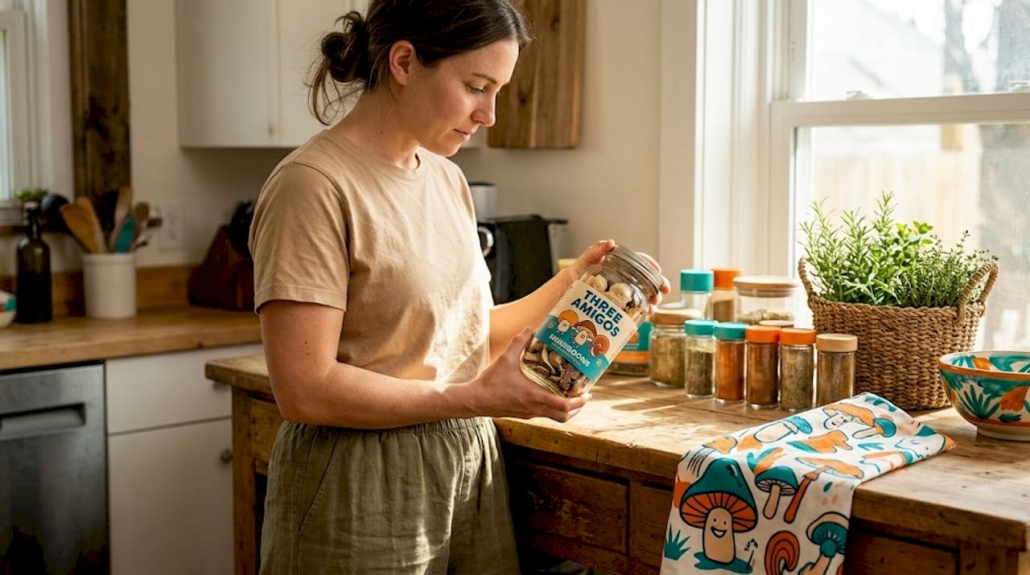
Magic Mushroom Storage Tips for Lasting Potency
TL;DR:
- Proper storage prevents potency loss in magic mushrooms by protecting against moisture, heat, light, and oxygen. Fully drying mushrooms and using airtight containers with desiccants or vacuum sealing, stored in dark, cool places, ensure long-lasting freshness. Avoid storing fresh or improperly dried mushrooms in the fridge, as moisture and condensation cause rapid degradation.
Improper storage is the most common reason people end up with weak, disappointing mushrooms. These magic mushroom storage tips exist because psilocybin and psilocin are surprisingly fragile compounds. Mushrooms degrade fast when exposed to moisture, heat, light, or oxygen, and the losses happen quietly. You will not always see mold or smell something off. The potency just fades. Whether you have a single batch or a longer-term supply, getting storage right protects your investment, your experience, and your safety.
Table of Contents
- Key Takeaways
- 1. Why magic mushroom storage tips start with understanding degradation
- 2. Fully drying your mushrooms before storage
- 3. Airtight glass jars with desiccants for medium-term storage
- 4. Vacuum sealing for extended shelf life
- 5. Freezer storage for long-term preservation
- 6. Short-term storage in airtight containers
- 7. Methods to avoid
- 8. Comparison of storage methods at a glance
- 9. Practical tips that make a real difference
- My take on what actually matters most
- Ready to start with quality mushrooms worth storing right
- FAQ
Key Takeaways
| Point | Details |
|---|---|
| Moisture is the biggest threat | Even small amounts of residual moisture cause mold growth and rapid potency loss. |
| Full drying before storage is non-negotiable | Mushrooms must be cracker-dry before any long-term storage method works reliably. |
| Vacuum sealing extends shelf life dramatically | Combined with a freezer, vacuum sealing retains over 90% potency for a year or more. |
| Desiccants are inexpensive insurance | Food-grade silica gel packs protect against humidity inside airtight containers. |
| Light and oxygen accelerate degradation | Opaque containers stored in stable, dark environments slow potency loss significantly. |
1. Why magic mushroom storage tips start with understanding degradation
Before you choose a container or a location, you need to know what you are actually fighting. Psilocybin and psilocin break down through four main pathways, and most bad storage setups trigger more than one at the same time.
- Moisture: This is the top threat. Water activates enzymatic breakdown and creates the conditions for mold. Even mushrooms that feel dry to the touch can hold enough moisture to cause problems if the surrounding humidity is high.
- Heat: Elevated temperatures accelerate chemical degradation. A warm shelf or a spot near an appliance can meaningfully shorten your mushroom shelf life over weeks.
- Light: UV exposure breaks down psilocin particularly fast. A glass jar sitting on a windowsill is essentially a slow-motion potency drain.
- Oxygen: Oxidation degrades both active compounds over time. Every time you open a container, you are introducing fresh oxygen and shortening the effective life of what is inside.
Fresh mushrooms face the sharpest deadline. Fresh mushrooms spoil within 24 to 48 hours at room temperature, which is why drying is not optional. It is the foundation that makes every other storage method work.
Pro Tip: Think of your mushrooms like film negatives. Light, heat, and humidity are the enemies, and the best storage is dark, cool, and sealed.
2. Fully drying your mushrooms before storage
Every storage method in this article assumes your mushrooms are fully dried. If they are not, nothing else you do will save them. Properly dried mushrooms have a distinctive snap when you bend a stem. If they flex or bend without breaking, they still contain moisture and are not ready for long-term storage.
The most reliable drying method is using a food dehydrator set between 95°F and 115°F for several hours. Avoid going higher, since excessive heat degrades psilocybin during the drying process itself. Air drying on a wire rack works too, but it takes longer and leaves more room for inconsistency depending on your ambient humidity.
If you want to go deeper on the process, 3amigos has a thorough walkthrough on how to dry mushrooms using DIY methods that are practical for home use. Once your mushrooms pass the snap test, you are ready to choose a storage method.
3. Airtight glass jars with desiccants for medium-term storage
For most people, a mason jar with food-grade silica gel packs is the most practical starting point. Glass does not absorb odors or off-gas chemicals, it seals tightly with a rubber gasket lid, and it is easy to find. The desiccant inside the jar absorbs any residual humidity from the mushrooms or the surrounding air.

Store the jars in a dark cabinet or drawer, ideally somewhere with a stable temperature between 60°F and 70°F. Avoid closets near exterior walls in cold climates since temperature swings cause condensation. Airtight storage with desiccant in a cool, dark place typically keeps mushrooms potent for 6 to 12 months.
This method costs almost nothing if you already have mason jars. A pack of silica gel desiccants runs a few dollars and can be refreshed by baking them in an oven at low heat for an hour. That makes this the go-to method for anyone who does not want to invest in specialized equipment.
4. Vacuum sealing for extended shelf life
Vacuum sealing removes the oxygen from the equation entirely, which is a meaningful upgrade over a standard airtight jar. When you combine vacuum sealing with desiccants and store the sealed bags in a cool, dark place, you get 90 to 95% potency retention with very low mold risk over a year or more.
A basic vacuum sealer costs between $30 and $80 and is widely available. Use food-safe vacuum bags and add a small silica gel packet inside before sealing. Label each bag with the strain and the date before sealing it, since all sealed bags look identical from the outside and guessing later is frustrating.
This method is best for people storing larger quantities or anyone who wants the most confidence in potency preservation over a long period. The upfront equipment cost is the main tradeoff.
Pro Tip: Divide your supply into small portions before vacuum sealing. Seal each portion separately so you only open what you need, keeping the rest protected.
5. Freezer storage for long-term preservation
Freezing is one of the best long-term options, but the single most important rule is that only fully dried mushrooms should ever go into a freezer. Freezing fresh mushrooms causes ice crystals to rupture cell walls, which triggers rapid enzymatic oxidation and destroys potency. There is no recovering from that mistake.
Dried mushrooms frozen in vacuum-sealed bags can stay potent for a year or longer. The key is minimizing how often you open the freezer bag. Repeated freeze-thaw cycles introduce condensation inside the container, and that moisture is exactly what you spent so much effort eliminating. Remove only what you need, reseal immediately, and let the container reach room temperature before opening it to prevent condensation from forming on the cold surface.
This is the best option for very long-term storage, particularly if you want to keep a supply accessible across many months without noticeable degradation.
6. Short-term storage in airtight containers
Not every situation calls for a vacuum sealer. If you plan to use your mushrooms within four to six weeks, a solid airtight plastic or glass container with a tight-fitting lid and a silica gel packet gets the job done without any extra equipment.
Keep the container in a cool, dark location. A kitchen drawer or a pantry shelf away from the stove works well. Avoid the refrigerator for short-term dry mushroom storage since frequent temperature changes as you open and close the fridge can cause condensation inside the container. The goal is stable, not necessarily cold.
This method is straightforward, low-cost, and effective within its time window. Think of it as the everyday storage option while you decide whether a longer-term solution makes sense for your situation.
7. Methods to avoid
Some common storage choices look reasonable but cause more problems than they solve.
Paper bags allow air and humidity to flow freely, offering almost no protection against moisture or light. Plastic ziplock bags are only slightly better since they are not truly airtight and can allow slow gas exchange through the material over time. Neither option includes any desiccant capacity, so humidity from the surrounding environment will affect your mushrooms steadily.
The refrigerator is often suggested but is generally risky for dried mushrooms specifically because of condensation. The constant temperature cycling as food goes in and out creates humidity fluctuations inside any container. This does not mean the fridge is useless. Refrigerated airtight storage can extend fresh (undried) mushroom life to 2 to 10 days, which is useful for very short-term needs immediately after harvest. For anything beyond that window, drying first is always the better path.
8. Comparison of storage methods at a glance
| Method | Potency retention (6-12 months) | Mold risk | Approx. cost | Best use case |
|---|---|---|---|---|
| Vacuum seal + freezer | 90-95%+ | Very low | $30-$80 (sealer) | Long-term, large quantities |
| Airtight jar + desiccant | 80-90% | Low | Under $10 | Medium-term, everyday use |
| Airtight container (short-term) | 75-85% | Low to moderate | Under $5 | Under 6 weeks |
| Refrigerator (fresh only) | N/A | Moderate to high | None | 2-10 days fresh only |
| Paper/plastic bags | 50-70% | High | None | Not recommended |
9. Practical tips that make a real difference
Getting the storage method right is only part of the equation. These habits protect everything you set up.
- Check for spoilage before use. Mold appears as fuzzy white, gray, green, or black growth. Off odors and sliminess are also clear signs. If you see or smell anything suspicious, discard the mushrooms.
- Refresh your desiccants. Silica gel packs have a limited absorption capacity. Bake them at 250°F for 60 minutes every few months to restore their effectiveness.
- Open containers as rarely as possible. Every opening introduces oxygen and potentially moisture. Plan your access so you open the container once and take out what you need for a reasonable period.
- Label everything. Write the strain name and the storage date on every container. Potency can shift subtly over time, and knowing how old your supply is helps you calibrate your dose accurately.
- Use opaque containers or dark storage. UV exposure breaks down psilocin rapidly, so dark amber glass or opaque containers are preferable to clear ones. At minimum, store clear containers inside a cabinet or drawer.
- Handle mushroom powder carefully. Ground mushrooms have much more surface area exposed to oxygen, which speeds up oxidation. Store powder in small airtight containers with a desiccant pack and use it within a shorter timeframe.
Pro Tip: Before opening a container that has been in the freezer, let it sit at room temperature for 15 to 20 minutes first. This prevents warm air from hitting cold mushrooms and causing condensation to form inside the bag.
Understanding what drives psilocybin potency factors at a compound level can also help you make smarter decisions about both storage and dosing.
My take on what actually matters most
In my experience, the gap between people who get consistent results from their mushrooms and those who do not comes down almost entirely to moisture control. Not the method they chose. Not the brand of jar. Moisture.
I have seen people invest in vacuum sealers and still end up with degraded mushrooms because they sealed them before they were truly dry. One common mistake is trusting the “feels dry” test rather than the snap test. If the stem bends instead of snapping cleanly, it goes back on the dehydrator. No exceptions.
Freezing is genuinely excellent when done right, but I would not recommend it as a first step for beginners. The condensation risk during thawing trips people up more than you would expect, and it is an avoidable loss. A solid mason jar, a pack of silica gel, and a dark drawer will serve most users extremely well for six months without any drama. Start there and add complexity only when you need longer storage windows.
If you are working with older mushrooms, treat the first session cautiously. Potency can drop without any visible signs of degradation, so your usual dose might not perform the same way. That is not a failure of the mushrooms. It is just chemistry doing what chemistry does. Build in a buffer and adjust from there.
— Juiced
Ready to start with quality mushrooms worth storing right

All of these magic mushroom preservation tips work best when you start with well-sourced, properly prepared mushrooms. At 3amigos, the dried mushrooms available online are dried and prepared with quality in mind, so you are not already fighting a moisture problem before your supply even arrives. For those who prefer a storage-free option, microdosing capsules offer pre-measured, shelf-stable convenience with no drying or sealing required. And if you want to understand more about how psilocybin works and why preservation matters for efficacy, the psilocybin science guide at 3amigos covers the research clearly.
FAQ
How long do dried magic mushrooms stay potent?
Dried mushrooms stored properly in an airtight container with desiccant in a cool, dark place retain most of their potency for 6 to 12 months. Vacuum-sealed and frozen mushrooms can remain potent for a year or more.
Can you freeze magic mushrooms?
Yes, but only if they are fully dried first. Freezing fresh mushrooms causes cell wall rupture and rapid potency loss. Fully dried mushrooms stored in vacuum-sealed bags and frozen can last well over a year.
What is the best container for storing magic mushrooms?
An airtight glass jar with a rubber gasket lid and a food-grade silica gel desiccant pack is the most practical option for most users. Vacuum-sealed bags stored in a freezer offer the best long-term potency retention.
How do you know if magic mushrooms have gone bad?
Visible mold appearing as fuzzy white, gray, green, or black growth is the clearest sign. Unusual off-odors or a slimy texture also indicate spoilage. Discard mushrooms immediately if any of these signs are present.
Does grinding mushrooms affect how you store them?
Yes. Ground mushrooms have significantly more surface area exposed to oxygen, which speeds up oxidation and potency loss. Store powder in small airtight containers with a desiccant and plan to use it sooner than you would whole dried mushrooms.
Recommended
- Magic Mushroom Liquid Culture | 3 Amigos
- How to Make Magic Mushroom Chocolate: A Guide for Beginners
- Safe mushroom consumption workflow for mental health 2026
- Why mushroom potency varies: factors behind every dose

Thomas Wrona is a writer, designer, and wellness coach who believes that nature’s wisdom provides an antidote to the stress of modern life. As a former pro athlete, he’s all about staying in motion! When he’s not writing you’ll probably find Thomas outside.


