


Tracking Your Microdose: Why Journaling Can Improve Results
When it comes to maximizing your microdosing experience, many practitioners focus solely on finding the right dosage and frequency. However, tracking your experience with microdosing capsules or another form factor through systematic journaling can dramatically improve results and unlock deeper insights that might otherwise go unnoticed. Without proper documentation, subtle changes in mood, cognition, and overall well-being can fade into memory, making it impossible to optimize your protocol or understand the true impact of your practice.
Key Takeaways
- Journaling strengthens awareness. Tracking your microdose creates a feedback loop that helps your brain recognize patterns, making the practice more intentional and effective over time.
- Data reveals personal “sweet spots.” Regular notes on dosage, timing, and context allow you to fine-tune your protocol and discover what works best for your body and mind.
- Integration matters as much as dosing. Many insights surface between microdosing sessions; journaling ensures these reflections are captured and reinforced for long-term benefit.
- Pre- and post-dose logs improve accuracy. Recording mood, energy, and cognitive performance before and after each session builds a clearer picture of progress and response.
- Consistency is key. Even short daily entries outperform irregular documentation. Over time, trends emerge that guide safe and effective adjustments.
- Mindful reflection promotes safety. Tracking side effects, emotional shifts, and external influences helps identify what supports or hinders your well-being.
- Long-term benefit extends beyond psychedelics. Journaling cultivates habits of observation and mindfulness that improve decision-making, emotional balance, and personal growth.
The Science Behind Microdosing Self-Observation
Microdosing involves taking sub-perceptual amounts of psychedelics to enhance creativity, mood, and cognitive function without experiencing hallucinogenic effects. Common methods include taking microdosing capsules, as opposed to larger amounts of dried magic mushrooms or macrodose gummies. While research into microdosing continues to evolve, one consistent finding emerges: self-awareness and intentional observation significantly enhance outcomes.
When you track your microdosing experiences through detailed journaling, you create a feedback loop that allows your brain to recognize and reinforce positive patterns. This heightened awareness transforms passive consumption into active self-optimization, turning each dose into a learning opportunity that builds toward long-term personal growth.
Why Journaling is Essential for Microdosing Success
Enhanced Pattern Recognition
The human brain excels at recognizing patterns, but only when data is consistently recorded and reviewed. Microdosing journaling creates a comprehensive database of your experiences, allowing you to identify correlations between dosage, timing, environmental factors, and outcomes. You might discover that microdosing works better on specific days of the week, in certain settings, or when combined with particular activities.
Dosage Optimization
Finding your optimal microdose requires careful experimentation and observation. Without a journal, determining whether 10 micrograms works better than 15 micrograms becomes guesswork. Documentation allows you to track the effects of different doses over time, helping you identify your personal “sweet spot” where benefits are maximized without unwanted side effects.
Integration of Insights
Microdosing benefits extend far beyond the dosing day itself. Journaling helps you capture and integrate insights that emerge between doses, during reflection periods, and in everyday situations. These integration periods often prove more valuable than the dosing experience itself, as they allow new perspectives and behavioral changes to solidify.
Early Warning System
Consistent tracking helps identify negative patterns or adverse reactions before they become problematic. If your journal reveals increased anxiety on specific dosing days or interactions with certain foods or medications, you can adjust your protocol accordingly.
What to Track in Your Microdosing Log

Pre-Dose Assessment
Before taking your microdose, record your baseline state. Note your mood on a 1-10 scale, energy levels, stress factors, sleep quality from the previous night, and any intentions or goals for the day. This baseline provides crucial context for evaluating the effects of your dose.
Document the exact substance, dosage amount, preparation method, and timing. Precision matters when analyzing patterns and optimizing your protocol.
During the Experience
Track your state at regular intervals throughout the dosing day. Key metrics include:
- Cognitive Function: Focus, mental clarity, problem-solving ability, and memory retention. Note any enhanced creativity or novel thought patterns.
- Emotional State: Mood fluctuations, emotional resilience, empathy levels, and social connectivity. Pay attention to subtle shifts in perspective or attitude.
- Physical Sensations: Energy levels, body awareness, appetite changes, and any physical discomfort or enhancement. Some people experience increased sensitivity to light, sound, or touch.
- Productivity and Performance: Work efficiency, task completion, quality of output, and motivation levels. Track both professional and personal accomplishments.
Post-Dose Reflection
At day’s end, conduct a comprehensive review. What insights emerged? How did you handle challenges differently? What would you change about your approach? Rate the overall experience and note the quality of your sleep.
Integration Days
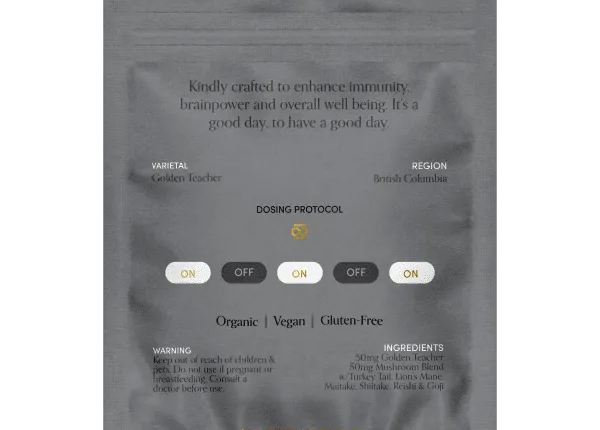
Many microdosing protocols include non-dosing days for integration. Track how you feel and perform on these days, as they often reveal the lasting impacts of your practice.
Effective Microdosing Journaling Techniques

Select a journaling method that you’ll actually use consistently. Digital apps offer convenience and data analysis capabilities, while physical journals provide a tactile, reflective experience. Some practitioners combine both approaches, using quick digital entries during the day and longer handwritten reflections in the evening.
Develop a Rating System
Create consistent scales for measuring key variables. A 1-10 system works well for mood, energy, focus, and creativity. This quantitative approach makes it easier to spot trends and compare experiences across time.
Use Specific Language
Instead of writing “felt good,” describe what “good” means specifically. Were you more patient with colleagues? Did colors seem more vibrant? Was problem-solving more intuitive? Specific observations provide actionable insights.
Set Regular Review Schedule
Weekly or monthly reviews of your journal entries reveal patterns invisible in daily observations. Look for correlations between dosing schedules, environmental factors, and outcomes. These review sessions guide protocol adjustments and goal setting.
Advanced Tracking Strategies
Expand your tracking to include diet, exercise, sleep patterns, stress levels, and social interactions. These variables significantly influence microdosing effects and can help you create optimal conditions for positive experiences.
Intention Setting and Goal Tracking
Before each dosing cycle, set specific intentions or goals. Your journal becomes a tool for tracking progress toward these objectives, creating accountability and direction for your practice.
Gratitude and Mindfulness Integration
Incorporate gratitude practices and mindfulness observations into your journal. These additions often amplify the positive effects of microdosing while cultivating beneficial mental habits.
Common Tracking Mistakes to Avoid
Don’t rely on memory alone or skip entries because “nothing significant happened.” Subtle changes often prove most valuable when identified through consistent documentation. Avoid overly complex tracking systems that become burdensome, and resist the urge to judge or analyze every entry immediately.
Maximizing Your Journaling Results
Consistency trumps perfection in microdosing journaling. Even brief daily entries provide more value than detailed sporadic documentation. Focus on trends rather than individual experiences, and remember that negative or neutral experiences provide valuable data points for optimization.
Consider sharing insights with trusted friends or practitioners, as external perspectives can reveal blind spots in your self-observation. However, maintain privacy around specific details and respect legal considerations in your area.

The Long-Term Impact of Tracking Your Microdose
Tracking your microdose through journaling can improve results by transforming a casual experiment into a structured personal development practice. Over months and years, your journal becomes a record of growth, insight, and self-understanding that extends far beyond the immediate effects of microdosing.
The awareness and reflection skills developed through microdosing journaling often enhance other areas of life, improving emotional regulation, decision-making, and self-knowledge. This makes journaling not just a tool for optimizing microdosing, but a practice that supports overall mental health and personal evolution.
Start your microdosing journal today with a simple entry documenting your current state and intentions. Your future self will thank you for the insights and optimizations that emerge from this powerful combination of consciousness exploration and systematic self-observation.
FAQs
Why should I journal while microdosing?
Because subtle effects can be easy to miss, journaling helps you capture patterns in mood, focus, creativity, and energy. This turns microdosing from passive experimentation into an intentional, measurable practice.
What should I record in my microdosing journal?
Include your baseline mood, energy, and sleep quality before each dose. Track the exact dose, timing, and environment, then note changes in focus, emotion, creativity, and physical sensations throughout the day. Finish with an evening reflection.
How often should I write in my journal?
Record entries on both dosing and non-dosing days. Integration days often reveal how microdosing influences your overall balance and productivity between sessions.
Do I need a special app or notebook?
No – use whatever method you’ll stick with consistently. Digital tools allow easier data tracking, while handwritten journals often encourage deeper reflection. Some people combine both approaches.
What’s the best way to identify trends or patterns?
Set a weekly or monthly review schedule. Use simple 1-10 scales for mood, focus, or creativity to visualize progress over time. Compare notes on different doses or environments to refine your approach.
Can journaling improve safety?
Yes. Regular entries can highlight negative patterns early – such as rising anxiety or sleep disruption – allowing you to adjust or pause your protocol responsibly.
What if some days feel uneventful?
Still log them. Neutral or “flat” days provide baseline data that make meaningful patterns stand out later.
How does journaling help integration?
Writing helps transform fleeting thoughts into structured insights. By reviewing how each session aligns with your goals or mindset shifts, you reinforce the benefits of microdosing and apply them in daily life.
Does journaling make a difference long term?
Absolutely. Over months, your journal becomes a personalized map of growth and resilience – evidence of how self-awareness, not just the substance, drives meaningful change.