

Examples of Dried Shrooms Uses: a Practical Guide
TL;DR:
- Dried mushrooms are versatile, serving culinary, therapeutic, microdosing, and recreational purposes, with application depending heavily on preparation and setting. Proper rehydration, controlled dosing, and structured environments significantly enhance their effects, safety, and benefits across categories. Maintaining intentional use and following harm reduction principles maximize positive outcomes in all dried mushroom applications.
Dried mushrooms are more useful than most people realize. Whether you’re grinding porcini into a savory powder, microdosing for mental clarity, or preparing for a structured therapeutic session, the examples of dried shrooms uses span a wider range than any single category can hold. This guide breaks down each major application with real preparation detail, clinical context, and practical advice so you can figure out exactly where dried mushrooms fit into your life. No matter where your curiosity is pointing, this is the resource you actually want.
Table of Contents
- Key takeaways
- 1. Examples of dried shrooms uses in the kitchen
- 2. Therapeutic use in structured clinical settings
- 3. Microdosing for focus, mood, and daily function
- 4. Recreational consumption and full-dose experiences
- 5. Brewing mushroom tea as a preparation method
- 6. Culinary-style edibles and flavor integration
- 7. Comparison of major dried shrooms use categories
- My take on choosing the right dried shrooms use
- Explore dried shrooms with 3amigos
- FAQ
Key takeaways
| Point | Details |
|---|---|
| Culinary uses are skill-based | Proper rehydration and using soaking liquid transform dried mushrooms from pantry staples into flavor weapons. |
| Therapeutic use requires structure | Clinical results depend on preparation, psychological support, and integration, not just the dose itself. |
| Recreational timing is manageable | Method of ingestion and stomach contents directly affect onset speed, allowing you to plan your experience. |
| Dried vs. fresh has clear tradeoffs | Dried shrooms offer concentrated flavor and a longer shelf life, making them more practical for both culinary and intentional use. |
| Context shapes outcomes | The same mushroom produces vastly different results depending on the setting, intent, and preparation method. |
1. Examples of dried shrooms uses in the kitchen
Dried culinary mushrooms are one of the most underused ingredients in the average home kitchen. When you know how to handle them, they deliver a depth of flavor that fresh mushrooms simply cannot match.
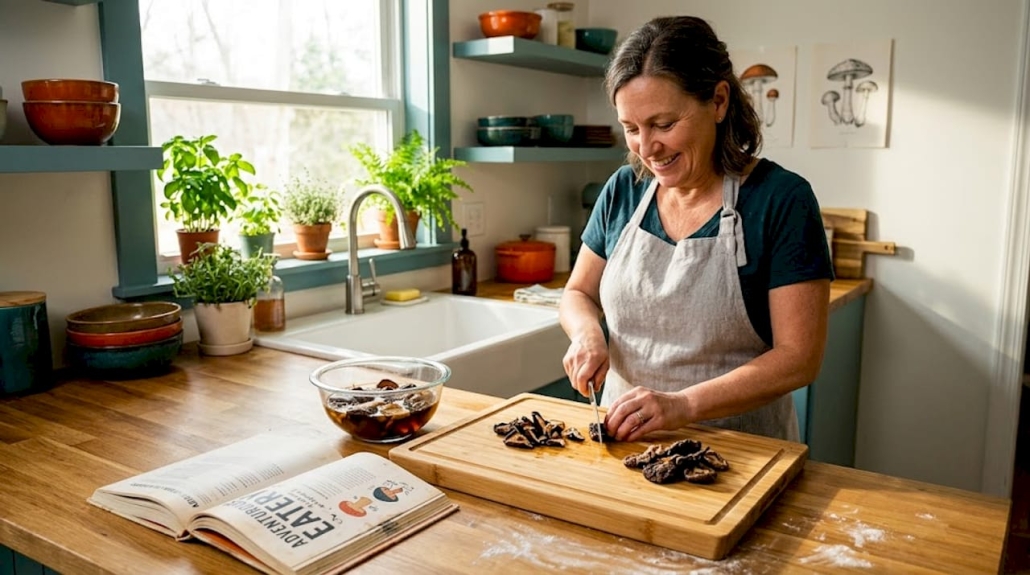
The foundation is rehydration. Proper soaking technique takes 20 to 30 minutes for most varieties, though larger pieces may need up to an hour. The liquid left behind is a concentrated, earthy broth. Strain it through a fine cloth and use it as the base for soups, risotto, or pan sauces. Throwing that liquid away is the single most common mistake cooks make.
Different varieties serve different purposes in dried mushrooms recipes. Flavor profiles vary significantly across species: porcini are earthy and meaty, shiitake are smoky and velvety, chanterelles are fruity and slightly chewy, and oyster mushrooms bring a mild, delicate quality. Matching the mushroom to the dish makes a real difference.
Here are practical ways to use them:
- Stir rehydrated porcini into a beef or lentil stew for added body
- Blend dried shiitake into a fine powder and use it as a seasoning rub for meat or tofu
- Add rehydrated chanterelles to pasta sauces or cream-based dishes
- Use soaking liquid in place of stock when building risotto
Pro Tip: Avoid over-soaking. Under-soaking yields tough texture; over-soaking causes grit to migrate into the liquid. Aim for 25 minutes in warm, not boiling, water, then strain before using the liquid.
Properly stored in an airtight container away from light and moisture, dried culinary mushrooms last one to two years without significant flavor loss. That shelf stability is one of their biggest practical advantages.
2. Therapeutic use in structured clinical settings
The therapeutic application of dried psilocybin mushrooms is one of the most exciting areas in modern mental health research, and it looks nothing like casual use. The structure matters enormously.
Clinical protocols now include three or more preparatory psychotherapy sessions before any dose is administered. The dosing day typically lasts around eight hours and involves music, eyeshades, and trained support. This is not incidental. Research shows psychological support and environment are as important to outcomes as the dose itself.
The results from these protocols are striking. A recent open-label trial with 20 adults showed significant reductions in depressive symptoms and chronic suicidal ideation sustained up to 12 weeks after a single 25 mg supervised dose. That kind of sustained effect from one session does not happen by accident. It reflects the holistic protocol, not just the compound.
Key phases in a therapeutic magic mushroom intake workflow include:
- Preparation: Two to four sessions establishing trust, setting intention, and addressing fears
- Dosing: A supervised eight-hour session in a calm, curated environment
- Peak experience: Effects typically onset within 20 to 60 minutes, peak between one and three hours, and resolve within four to six hours
- Integration: Follow-up sessions to process insights and apply them to daily life
Research consistently frames psilocybin therapy as a psychological process supported by a compound, rather than a drug treatment that happens to involve a therapist. That distinction shapes everything about how it is delivered.
For anyone exploring therapeutic uses of dried mushrooms, the preparation and integration phases deserve as much attention as the experience itself. Skipping either one significantly reduces the likelihood of lasting benefit.
3. Microdosing for focus, mood, and daily function
Microdosing is the most widely practiced example of regular dried shrooms use, and it has a very different profile from full-dose therapeutic work. The goal here is sub-perceptual. You are not chasing an experience. You are adjusting baseline function.
A typical microdose of dried psilocybin mushrooms falls between 0.05 and 0.3 grams. At that level, most people report improved mood, easier focus, and reduced anxiety without any hallucinatory effect. Practitioners usually follow a protocol like one day on, two days off to avoid tolerance buildup.
The dried shrooms benefits that people report from microdosing include better emotional regulation, greater creative access, and reduced rumination. These are not just anecdotal. Ongoing research supports the plausibility of these effects at sub-threshold doses, though controlled trials are still catching up to user-reported outcomes.
Grinding dried mushrooms into a powder and encapsulating them is the most common preparation method. It gives you precise dosing, removes the taste factor entirely, and fits into a morning routine without any friction.

4. Recreational consumption and full-dose experiences
Recreational use covers the broadest category of dried shrooms uses, and it encompasses a wide range of experience types depending on the dose, the method, and the setting.
The types of magic mushroom experiences people pursue recreationally run from light and social to deeply introspective or even intense. Doses below 1.5 grams tend to produce mild sensory enhancement and euphoria. Doses between 2 and 3.5 grams bring more pronounced visual effects and emotional amplification. Beyond that, experiences become profoundly internal and are better suited for prepared, intentional settings.
Common intake methods for recreational use include eating dried mushrooms directly, brewing them into a tea, blending them into edibles, or taking pre-ground capsules. Each method changes the experience in practical ways.
Pro Tip: Tea preparations and an empty stomach both accelerate onset significantly, sometimes bringing effects within 10 to 20 minutes. If you prefer a more gradual onset for easier management, eat a light meal an hour beforehand and opt for whole dried mushrooms rather than liquid forms.
5. Brewing mushroom tea as a preparation method
Mushroom tea is one of the most practical and popular formats across both recreational and intentional uses, and it has a few distinct advantages worth understanding.
Brewing tea from dried magic mushrooms reduces nausea, which is one of the most common complaints from people eating them whole. The hot water extracts the active compounds without requiring your stomach to break down the plant material directly. You can add ginger, lemon, or honey to improve the flavor and potentially enhance the experience through lemon tekking, a method where the citric acid partially converts psilocybin before ingestion.
The process is straightforward: grind dried mushrooms to a coarse powder, steep in water just below boiling for 10 to 15 minutes, strain thoroughly, and drink. Some people do two steeps from the same material to extract more of the compound. The first steep is always stronger.
Timing moves faster with tea compared to whole mushroom ingestion. Plan your setting accordingly before you drink, not after.
6. Culinary-style edibles and flavor integration
This category sits at the intersection of cooking with dried mushrooms and intentional consumption. It refers to incorporating ground or infused dried psilocybin mushrooms into food in a way that masks the taste and makes dosing more pleasant.
Chocolate is the most popular format. The bitter complexity of dark chocolate complements the earthy flavor of dried mushrooms better than most other foods. Honey infusions, gummy candies, and flavored capsules with herbs like lion’s mane are also common. 3amigos carries a range of magic mushroom edibles that cover these formats for people who want a prepared product without home preparation.
The main practical advantage of edibles for intentional use is consistency. When someone else has already dosed and prepared the product, you remove the guesswork from grinding and measuring.
7. Comparison of major dried shrooms use categories
Here is a side-by-side look at how the main uses for dried shrooms compare in practice:
| Use Category | Key Benefit | Main Limitation | Best For |
|---|---|---|---|
| Culinary (non-psychoactive) | Deep flavor and long shelf life | Requires proper rehydration technique | Home cooks and chefs |
| Microdosing | Mood and focus with no impairment | Requires consistent protocol and precise dosing | Professionals, mental health support |
| Therapeutic (macrodose) | Long-lasting mental health benefits | Needs professional support structure | Trauma, depression, anxiety treatment |
| Recreational (moderate dose) | Sensory enhancement, euphoria | Variable response by individual | Social or nature-based experiences |
| Tea preparation | Faster onset, reduced nausea | Faster onset requires prior planning | Experienced users wanting cleaner ingestion |
| Edibles and capsules | Convenient, consistent dosing | Less control over exact timing and feel | Beginners or those disliking the taste |
My take on choosing the right dried shrooms use
What I’ve observed, both through years of following this space and through working alongside people who use mushrooms across all these categories, is that context is the variable most people underestimate. The mushroom itself is almost secondary.
I’ve seen culinary users shocked by how much flavor complexity they were leaving on the table by skipping the soaking liquid. I’ve seen people attempt therapeutic-style macrodoses without any preparation and walk away confused and unsettled, not because the experience was wrong, but because there was no framework to hold it. And I’ve seen microdosers get real traction on mood and focus simply by being consistent with a schedule and keeping a journal.
The mistake most people make is treating dried shrooms use as a single-category decision. It is not. You might use culinary shiitake on Tuesday and consider a structured therapeutic protocol six months from now. These are not competing choices. What they share is the same underlying principle: the more intentional you are about preparation and setting, the better your outcome.
The harm reduction framework is not just for high doses. It applies to microdosing schedules, culinary prep, and everything in between. Approaching any use of dried mushrooms with care and curiosity is not overcaution. It is the actual practice.
— Juiced
Explore dried shrooms with 3amigos

3amigos offers one of the most thoughtfully curated selections of dried mushroom products in Canada, from microdosing capsules designed for consistent sub-perceptual dosing to edibles and teas for those exploring culinary and recreational formats. Every product is backed by educational resources covering safe consumption, dosing guidance, and the science behind psilocybin. Whether you are researching therapeutic applications or just getting started with intentional use, 3amigos supports your path with quality products and honest information. Browse the full selection at 3amigos.co and find the format that fits your goals.
FAQ
What are the most common examples of dried shrooms uses?
The most common uses include culinary applications with non-psychoactive varieties, microdosing for mood and focus, therapeutic macrodosing with professional support, and recreational consumption in tea or whole form.
How do dried shrooms differ from fresh mushrooms for cooking?
Dried culinary mushrooms have a more concentrated flavor and a shelf life of one to two years, while fresh mushrooms offer a milder taste and must be used quickly after purchase.
How long do the effects of dried psilocybin mushrooms last?
Effects typically begin within 20 to 60 minutes, peak between one and three hours, and fully resolve within four to six hours, with some users noting a calm afterglow afterward.
Does preparation method affect the psilocybin experience?
Yes. Tea and an empty stomach both accelerate onset to as quickly as 10 to 20 minutes, while eating whole dried mushrooms with food produces a slower, more gradual effect.
What support is needed for therapeutic dried shrooms use?
Structured therapy requires multiple preparatory sessions, a supervised dosing day, and post-dose integration work, as research confirms that psychological support is integral to positive outcomes.
Recommended
- Therapeutic uses of dried mushrooms: mental health 2026
- Best practices for shroom use: safe and effective guidance
- Dried Shrooms vs Edibles: Effects, Safety, and Use
- 6 Smart Ways to Use Dried Shrooms Safely and Effectively

Thomas Wrona is a writer, designer, and wellness coach who believes that nature’s wisdom provides an antidote to the stress of modern life. As a former pro athlete, he’s all about staying in motion! When he’s not writing you’ll probably find Thomas outside.


